


Common Respiratory Modes in Anesthesia and Their Characteristics
author: Dolphinmed
2025-11-10
During surgical anesthesia, selecting the appropriate ventilation mode is crucial, making it particularly important to understand the commonly used ventilation modes. The following are several common ventilation modes and their characteristics:
● Volume Control Ventilation (VCV): In this mode, the ventilation volume is constant. The ventilation pressure may change with patient position or surgical progress, but the ventilation volume remains consistent. It is important to note that excessively high pressure may cause lung injury, so close attention must be paid to airway pressure.
● Pressure Control Ventilation (PCV): In this mode, the ventilation pressure is constant. The ventilation volume may change with patient position or surgical progress. While it prevents high airway pressure, it may lead to hypoventilation or hyperventilation. For children, due to underdeveloped lungs, high airway pressure can easily cause injury; therefore, this mode is generally used during general anesthesia for pediatric patients. Attention should be paid to ventilation volume and end-tidal carbon dioxide.
● Pressure Control Ventilation-Volume Guarantee (PCV-VG): This mode balances both ventilation pressure and ventilation volume, making it a relatively excellent mode. However, not all anesthesia machines are equipped with this function; it is typically available only on more expensive anesthesia machines.
● Synchronized Intermittent Mandatory Ventilation or Synchronized Pressure Control Ventilation (SIMV or SPCV): These modes synchronize with spontaneous breathing and are suitable for assessing whether the patient has the ability to breathe spontaneously. They can be used when the patient is about to resume spontaneous breathing or has already resumed but with unstable frequency and tidal volume, in order to reduce the likelihood of patient-ventilator asynchrony. These modes can also be used when preparing for extubation.
Selecting the appropriate ventilation mode is essential for ensuring patient safety and the smooth progress of surgery. Different ventilation modes can provide more treatment solutions for different types of patients.
 Side Effects and Risks of Ventilator Use
  INVITATION TO CMEF 2026 – DOLPHINMED
  Dolphinmed invites you to attend the 93rd China International Medical Device Expo (CMEF)!
 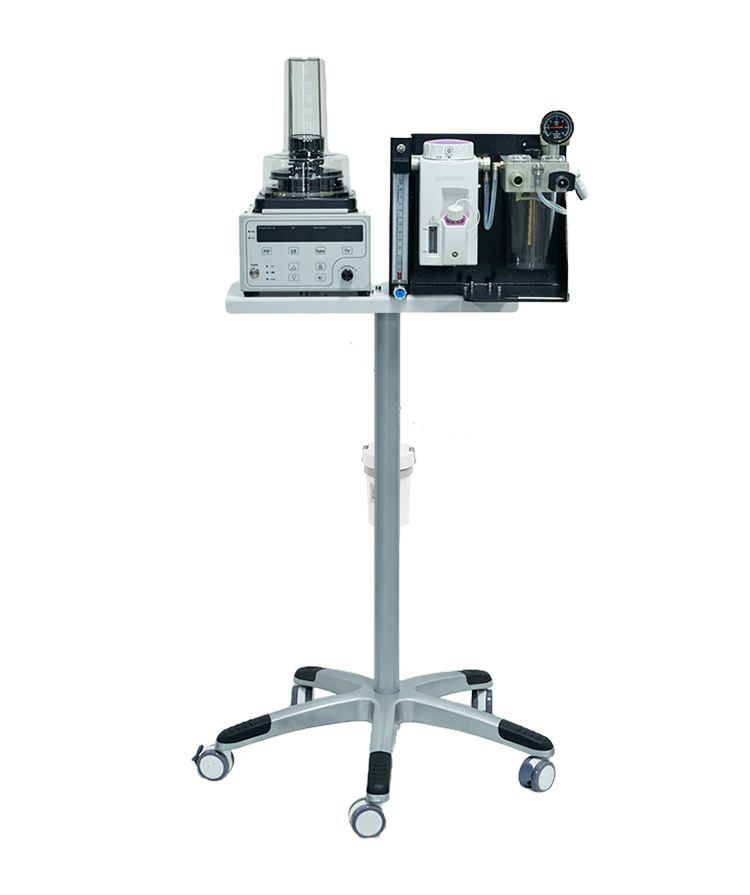 The main features of animal anesthesia machines
  Understanding Inhalational Anesthesia Techniqu
  Understanding the Spontaneous Breathing Mode of Anesthesia Machines
  Classification of Modern Pet Anesthetics
  Anesthesia Workstations and Functional Anatomy Tables
  The Current Situation and Development Trend of Medical Ventilators
  Types and Selection of Small Animal Anesthesia Machines
  The "333 Principle" for small animal anesthesia
 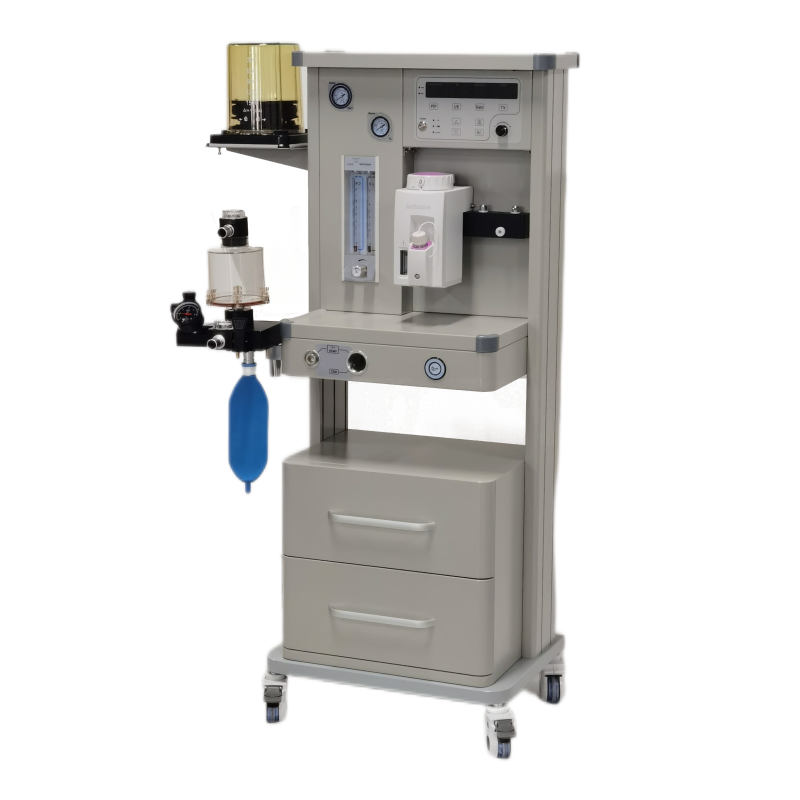 Causes and Management of Respiratory Abnormalities During Animal Anesthesia
 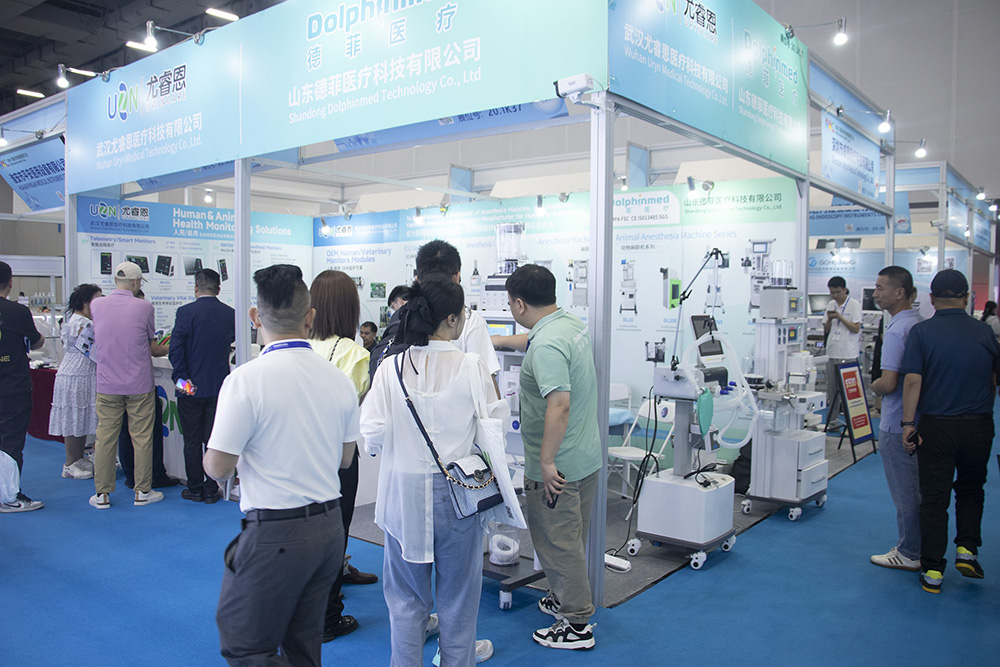 THE 92ND CMEF HAS CONCLUDED, DOLPHINMED ACHIEVING SIGNIFICANT SUCCESS
  Function of Ventilators
 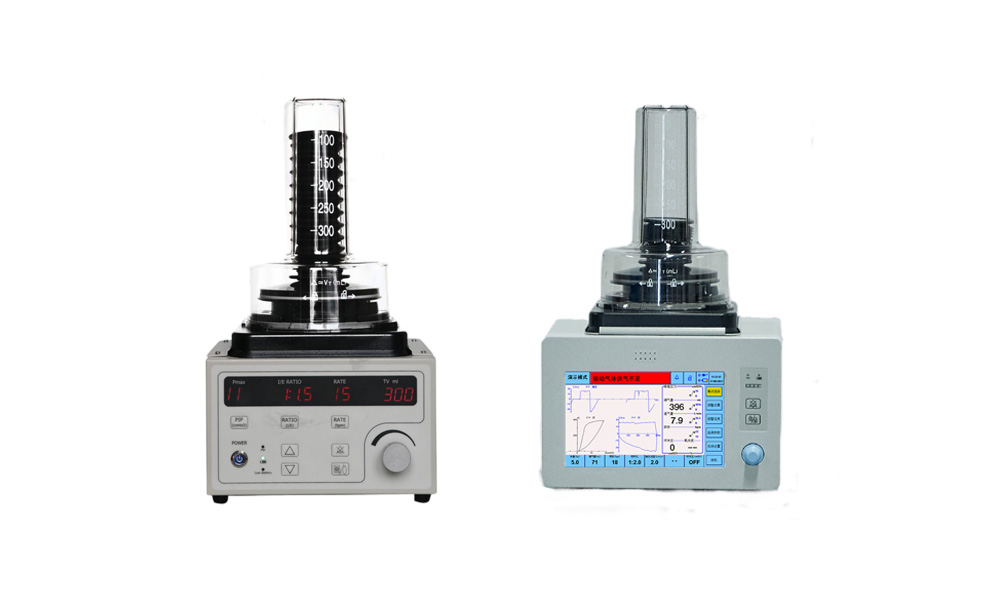 Functions and Structure of an Anesthesia Machine
  Selection of commonly used drugs for animal anesthesia
  Difference between anesthesia machine and ventilator
 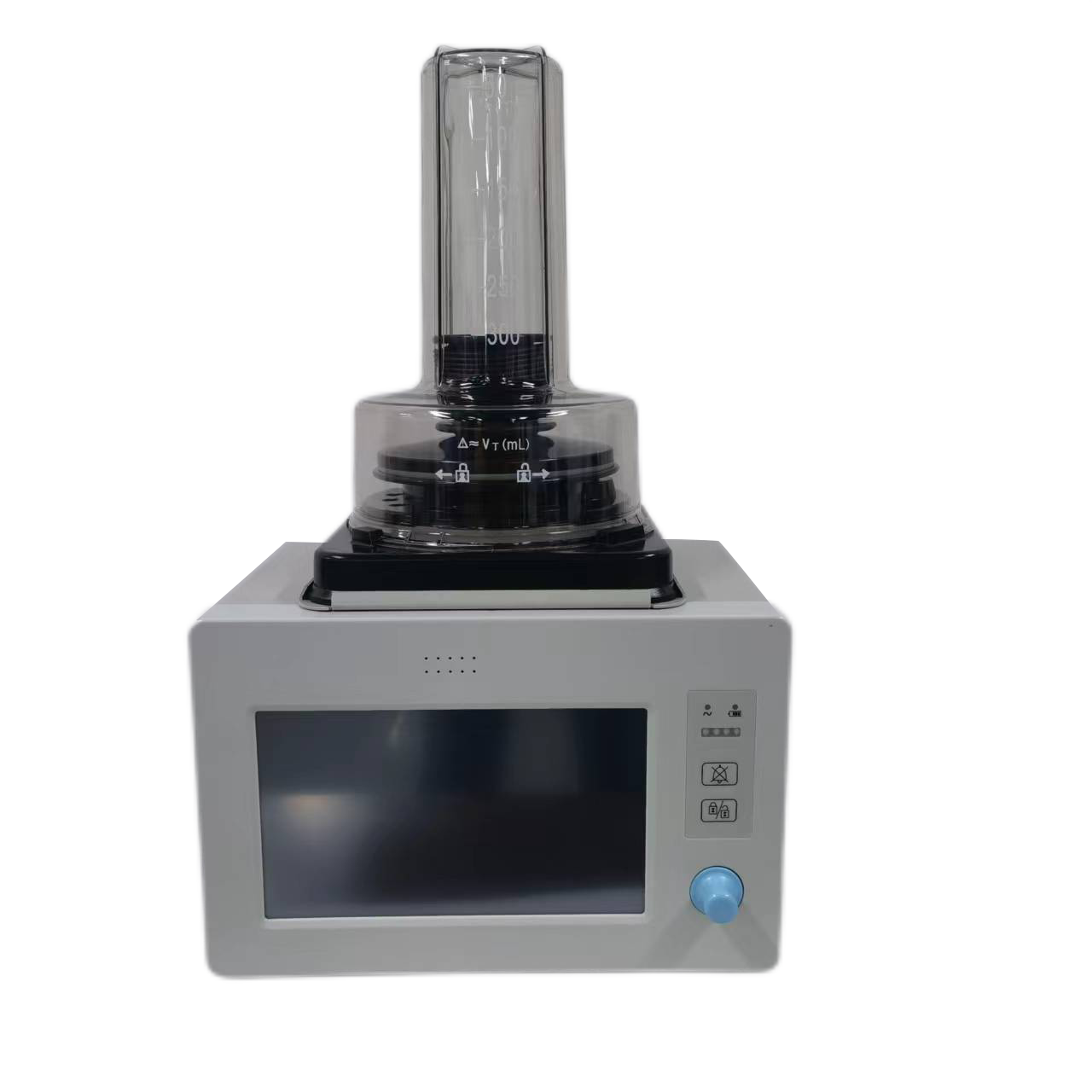 Dolphinmed has made a major breakthrough in the field of veterinary respiration
 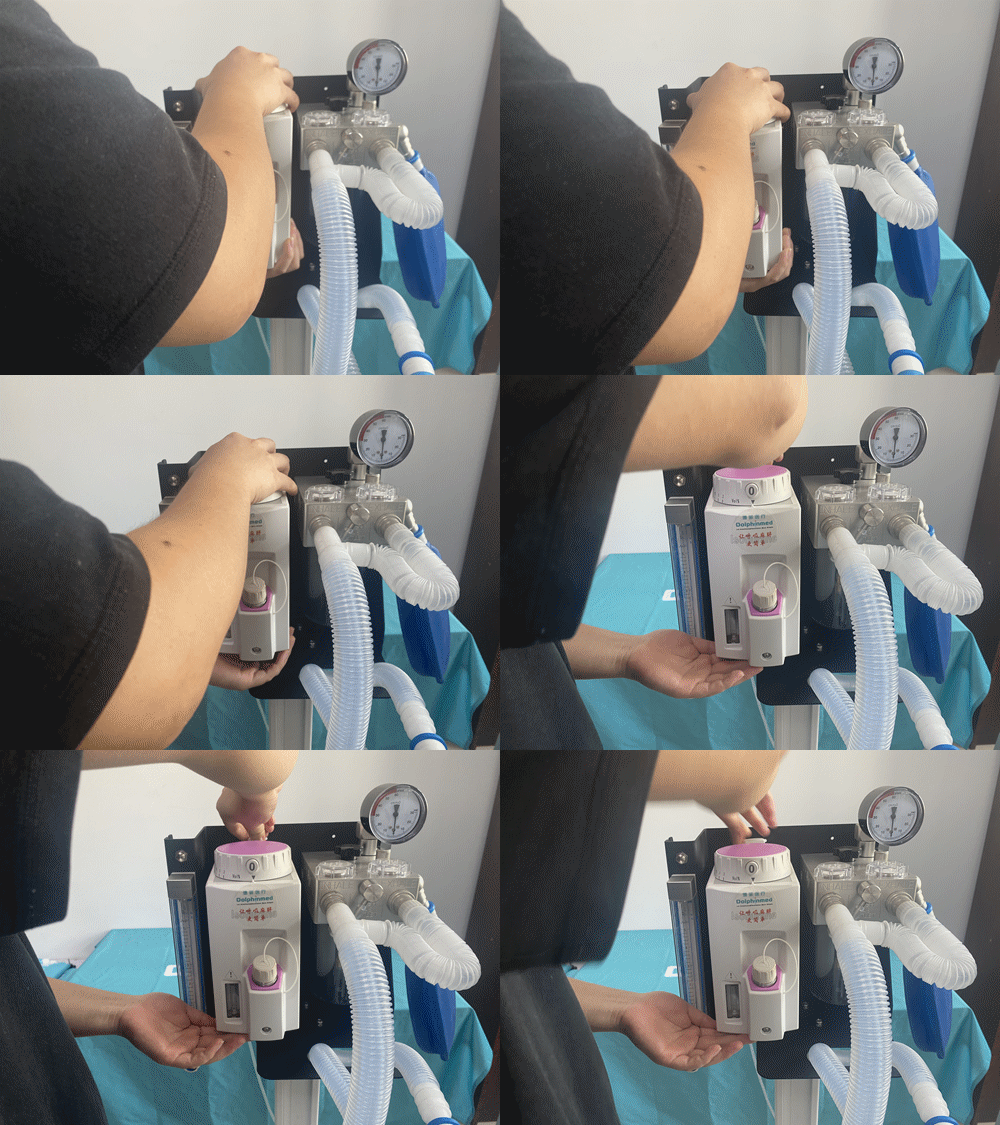 Introduction of anesthesia vaporizer
 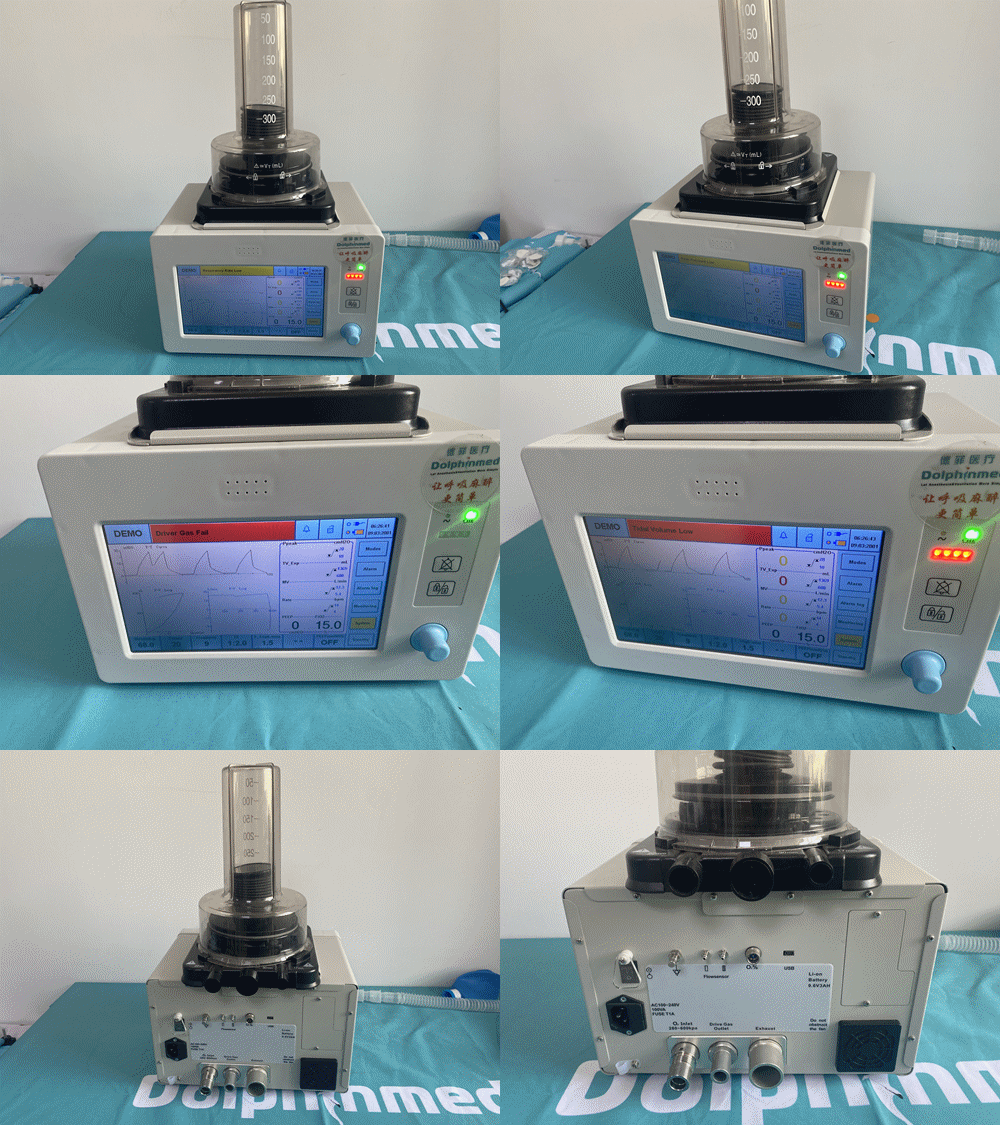 Part of veterinary anesthesia ventilator