


Difference between anesthesia machine and ventilator
author: Dolphinmed
2025-09-11
Anesthesia machines and ventilators are two distinct types of medical equipment, differing primarily in purpose, function, and working principles. Anesthesia machines are mainly used during surgery to deliver anesthetic gases and assist with breathing, while ventilators are used to replace or support a patient’s spontaneous breathing function, making them suitable for emergency care, ICU, or long-term respiratory support.
▶ Different Functional Orientations
Anesthesia Machine:
Core Function: Precisely controls the mixture of oxygen and anesthetic gases (e.g., sevoflurane, isoflurane) to achieve general anesthesia while providing mechanical
ventilation support.
Additional Features: Equipped with anesthetic vaporizers and carbon dioxide absorption systems to remove exhaled CO₂ and prevent rebreathing.
Usage Context: Restricted to operating rooms or anesthesiology departments and requires operation by an anesthesiologist.
Additional Features: Equipped with anesthetic vaporizers and carbon dioxide absorption systems to remove exhaled CO₂ and prevent rebreathing.
Usage Context: Restricted to operating rooms or anesthesiology departments and requires operation by an anesthesiologist.
Ventilator:
Core Function: Uses positive or negative pressure ventilation to assist patients with gas exchange (oxygen intake, CO₂ elimination) and maintain vital signs.
Diverse Modes: Supports various ventilation modes (e.g., volume control, pressure control, non-invasive ventilation) to adapt to different conditions (e.g., COPD, ARDS,
postoperative recovery).
Usage Context: Widely used in ICUs, emergency departments, general wards, and even home settings.
Usage Context: Widely used in ICUs, emergency departments, general wards, and even home settings.
▶ Different Structural Components
Anesthesia Machine:
Essential Components: Anesthetic vaporizer, breathing circuit (with inspiratory/expiratory valves), CO₂ absorber canister, safety alarm system.
Special Design: Gas pathways are explosion-proof (due to flammable anesthetics) and can interface with anesthesia monitors for real-time vital sign tracking.
Ventilator:
Basic Components: Gas source (oxygen or air), humidifier, breathing tubes, sensors (for pressure and flow monitoring).
Flexibility: Some portable ventilators operate without external gas sources, relying on built-in batteries or compressors.
▶ Working Parameters and Control Logic
Anesthesia Machine:
Focus: Control of anesthetic gas concentration, tidal volume (ventilation volume), and respiratory rate.
Integration: Requires real-time monitoring of anesthesia depth (e.g., BIS index) to adjust gas concentrations.
Ventilator:
Focus: Regulation of oxygen concentration (FiO₂), positive end-expiratory pressure (PEEP), and inspiratory-to-expiratory ratio (I:E).
Adaptability: Switches modes based on the patient’s spontaneous breathing ability (e.g., Assist-Control Ventilation vs. Synchronized Intermittent Mandatory Ventilation).
 Side Effects and Risks of Ventilator Use
  INVITATION TO CMEF 2026 – DOLPHINMED
  Dolphinmed invites you to attend the 93rd China International Medical Device Expo (CMEF)!
 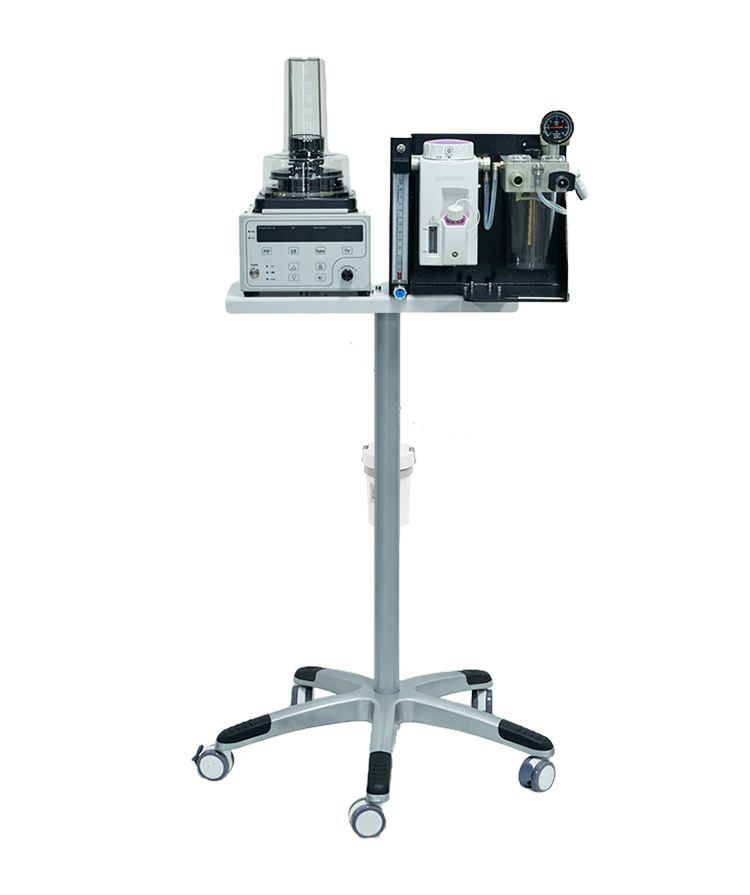 The main features of animal anesthesia machines
  Understanding Inhalational Anesthesia Techniqu
  Understanding the Spontaneous Breathing Mode of Anesthesia Machines
  Classification of Modern Pet Anesthetics
  Anesthesia Workstations and Functional Anatomy Tables
  The Current Situation and Development Trend of Medical Ventilators
  Common Respiratory Modes in Anesthesia and Their Characteristics
  Types and Selection of Small Animal Anesthesia Machines
  The "333 Principle" for small animal anesthesia
 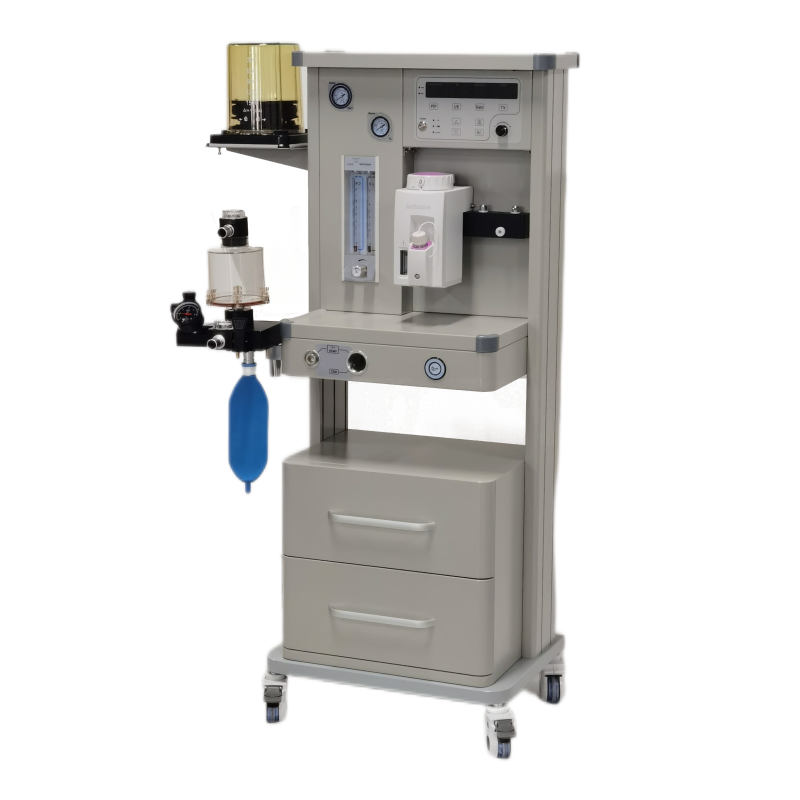 Causes and Management of Respiratory Abnormalities During Animal Anesthesia
 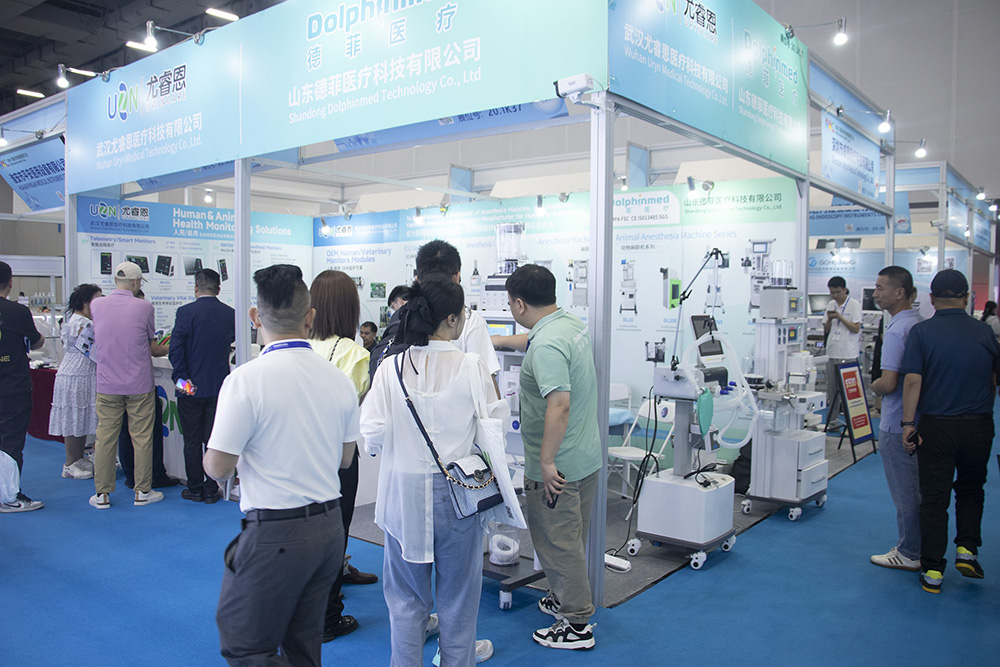 THE 92ND CMEF HAS CONCLUDED, DOLPHINMED ACHIEVING SIGNIFICANT SUCCESS
  Function of Ventilators
 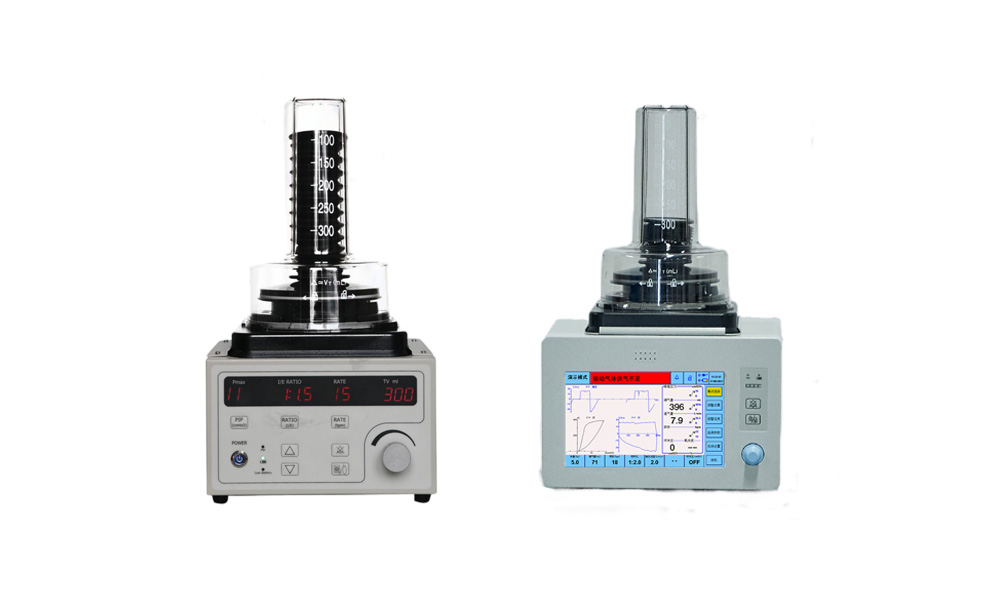 Functions and Structure of an Anesthesia Machine
  Selection of commonly used drugs for animal anesthesia
 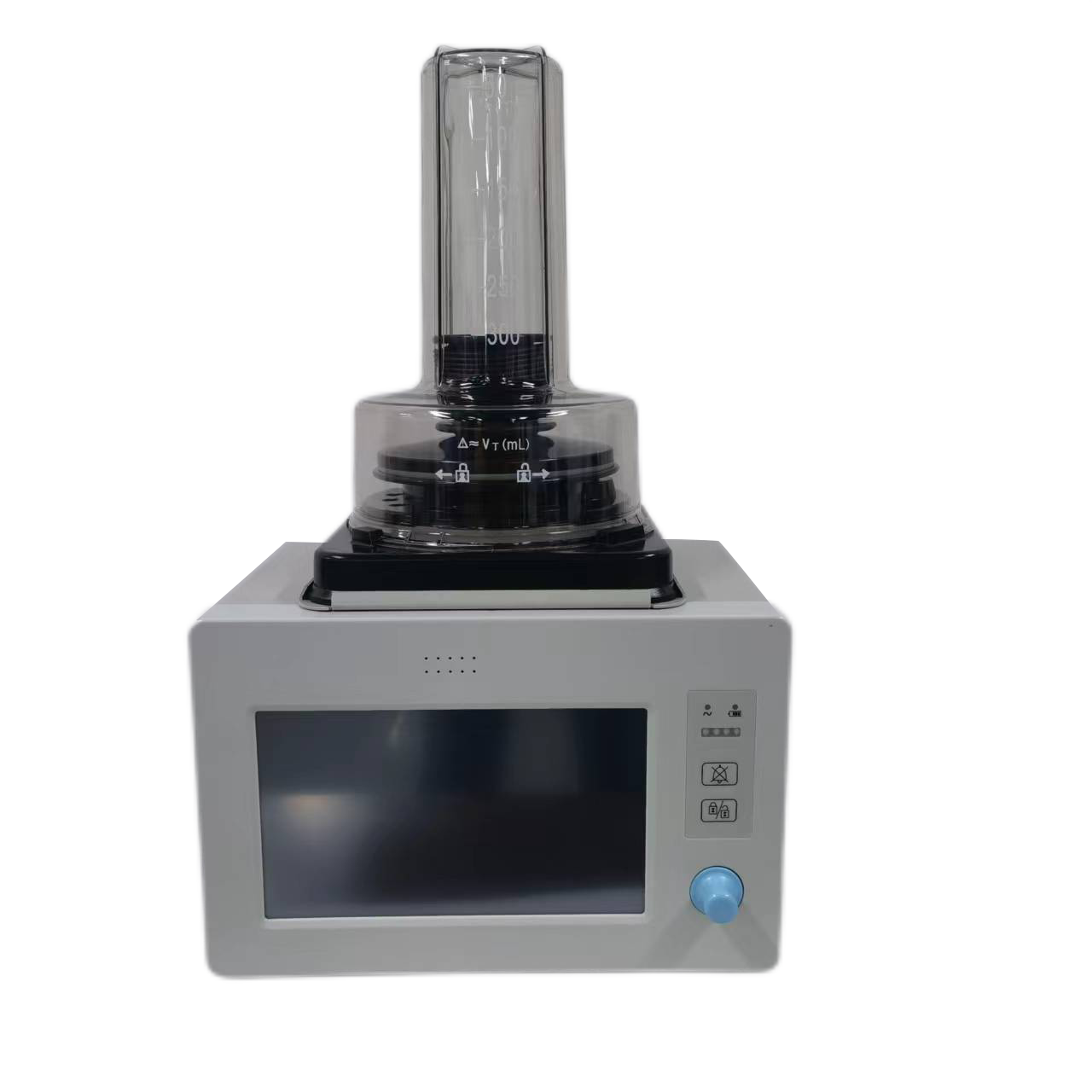 Dolphinmed has made a major breakthrough in the field of veterinary respiration
 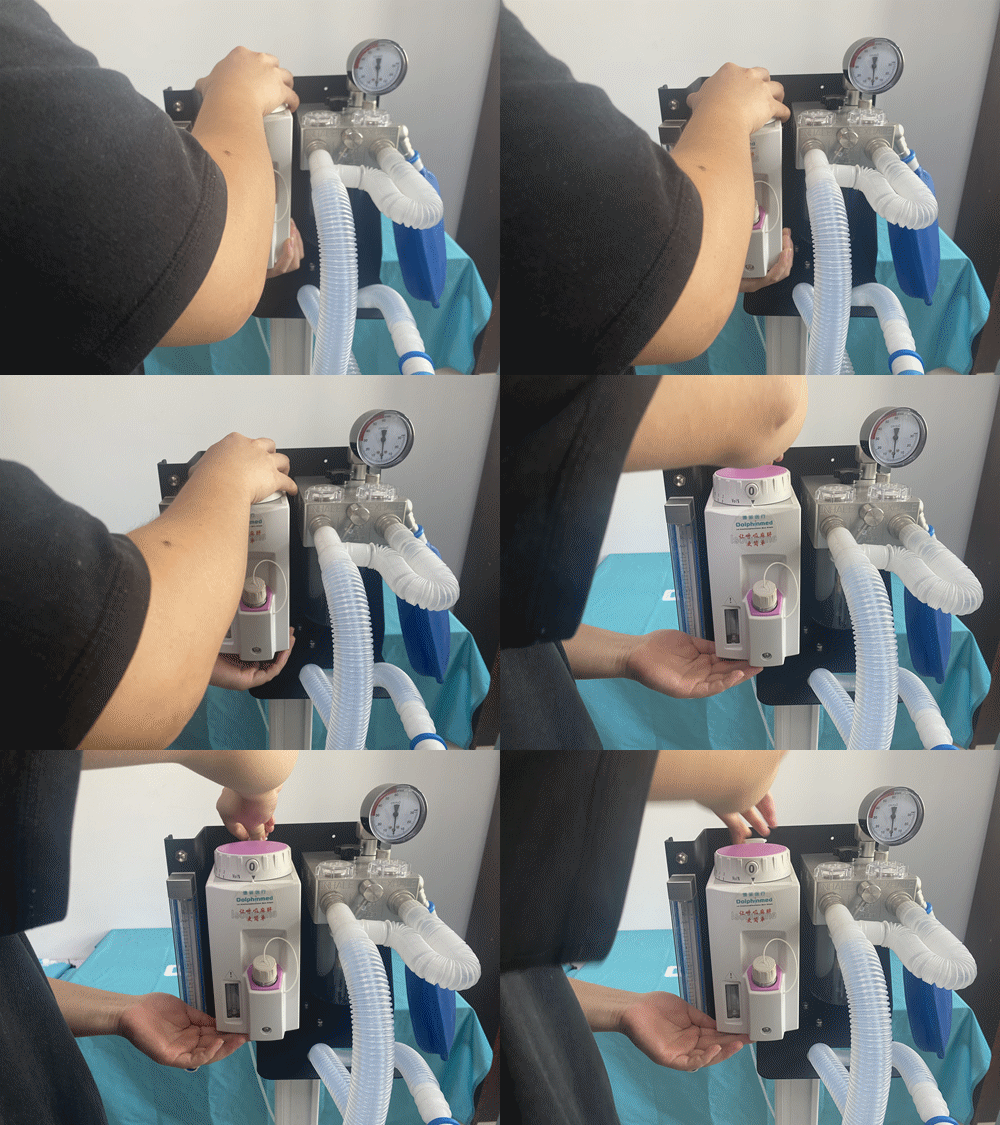 Introduction of anesthesia vaporizer
 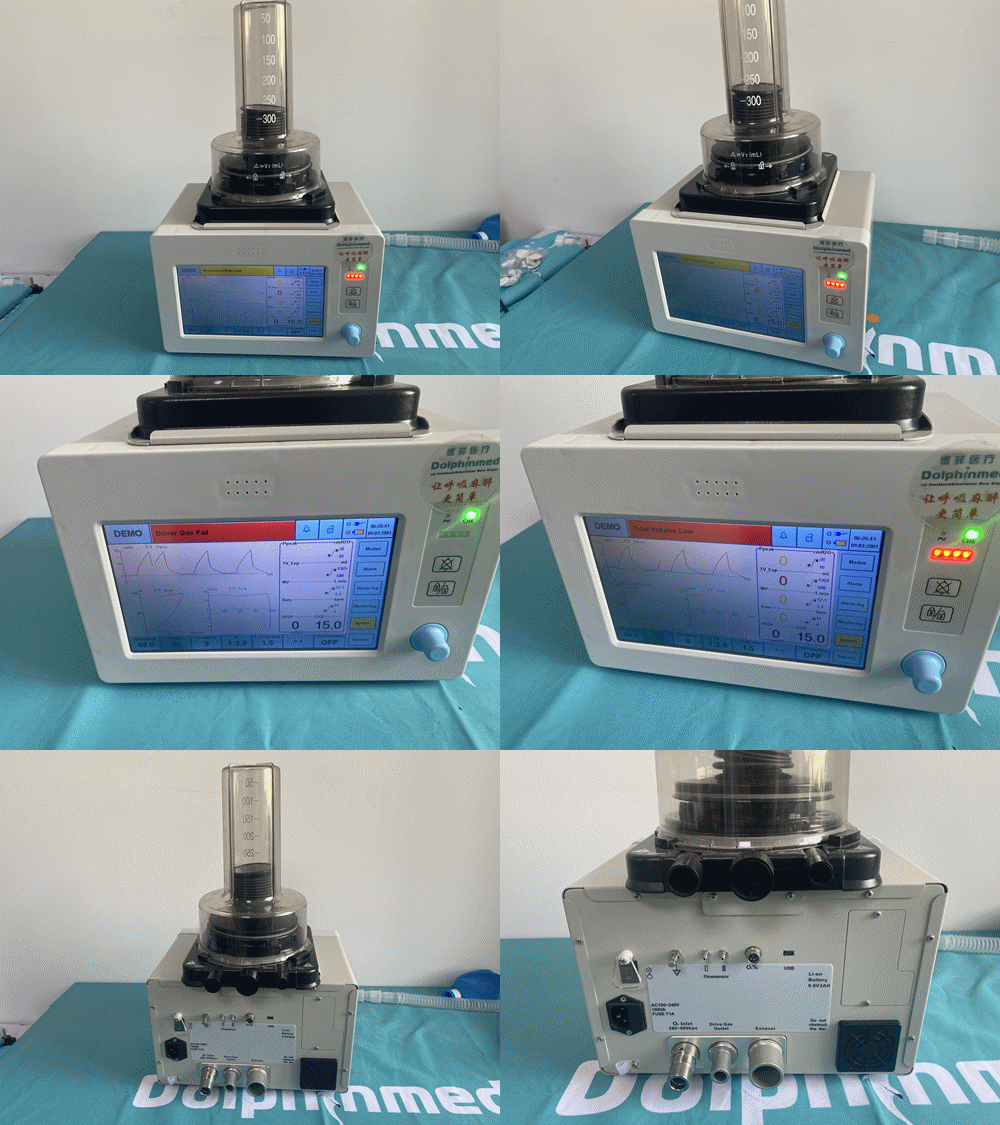 Part of veterinary anesthesia ventilator