


Classification of Modern Pet Anesthetics
author: Dolphinmed
2025-12-30
1.Inhalation Anesthetics and Non-inhalation Anesthetics
Pet anesthetics can be classified into inhalation anesthetics and non-inhalation anesthetics based on the route of administration.
Inhalation anesthetics (also known as volatile anesthetics) exist in liquid or gaseous form at room temperature and atmospheric pressure. Their characteristic feature is the ease of controlling dosage and depth of anesthesia. Common types include nitrous oxide, cyclopropane, anesthetic ether, methoxyflurane, enflurane, halothane, isoflurane, desflurane, sevoflurane, etc.
Non-inhalation anesthetics (also known as injectable anesthetics) are characterized by their ability to induce anesthesia relatively quickly and controllably. Common types include barbiturates (phenobarbital, pentobarbital, thiopental, thiamylal, methohexital, amobarbital), arylcycloalkylamines or cyclohexylamines (ketamine, tiletamine, phencyclidine), and others (propofol, etomidate, alphaxalone, chloralose, propanidid, metomidate, etc.).
2.General Anesthetics and Local Anesthetics
Pet anesthetics can be classified into general anesthetics and local anesthetics based on their anesthetic effects.
The first local anesthetic of clinical significance was the alkaloid cocaine, discovered in 1880 and used in surgeries for dogs and horses in 1885. In 1905, the first synthetically produced local anesthetic, procaine, was developed. Local anesthetics can be further divided into amino esters (procaine, chloroprocaine, tetracaine) and amides (lidocaine, mepivacaine, bupivacaine, etidocaine, prilocaine, ropivacaine, etc.) based on their chemical structure. Local anesthetics are primarily used for regional anesthesia, and their specific applications are shown in Table 1.
General anesthetics refer to a class of drugs that can cause loss of consciousness and all bodily sensations. They are diverse in type, including barbiturates, steroids, phenols, alcohols, inert gases, halogenated hydrocarbons, carbon dioxide, etc. The potency of anesthesia is related to their lipid solubility.
 Side Effects and Risks of Ventilator Use
  INVITATION TO CMEF 2026 – DOLPHINMED
  Dolphinmed invites you to attend the 93rd China International Medical Device Expo (CMEF)!
 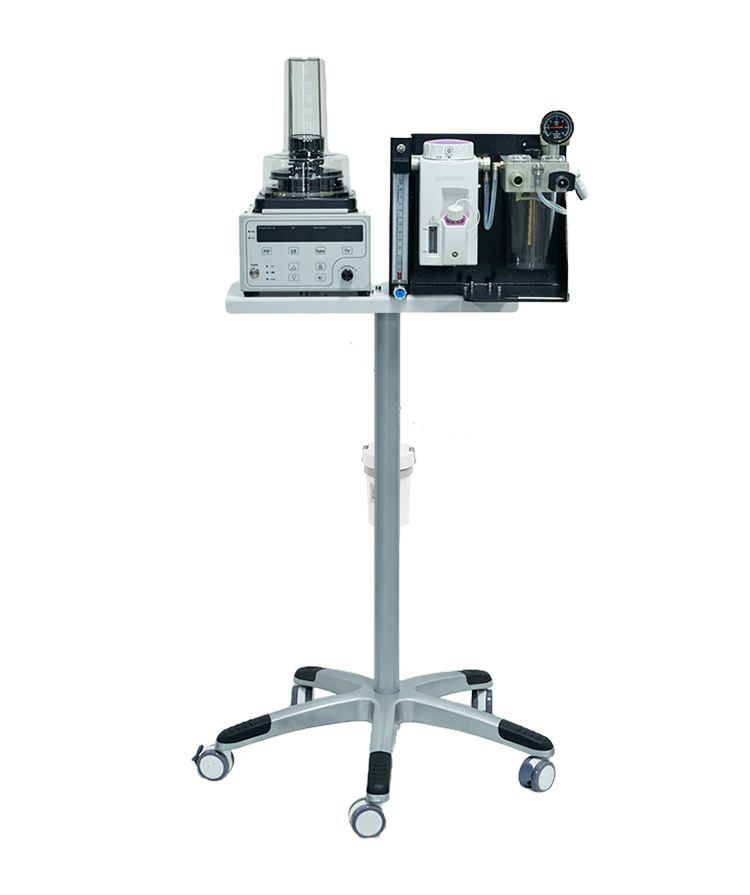 The main features of animal anesthesia machines
  Understanding Inhalational Anesthesia Techniqu
  Understanding the Spontaneous Breathing Mode of Anesthesia Machines
  Anesthesia Workstations and Functional Anatomy Tables
  The Current Situation and Development Trend of Medical Ventilators
  Common Respiratory Modes in Anesthesia and Their Characteristics
  Types and Selection of Small Animal Anesthesia Machines
 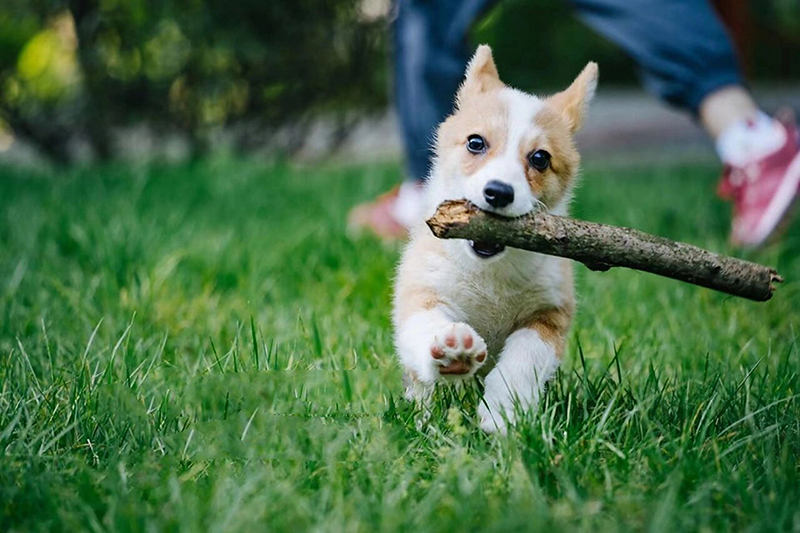 The "333 Principle" for small animal anesthesia
 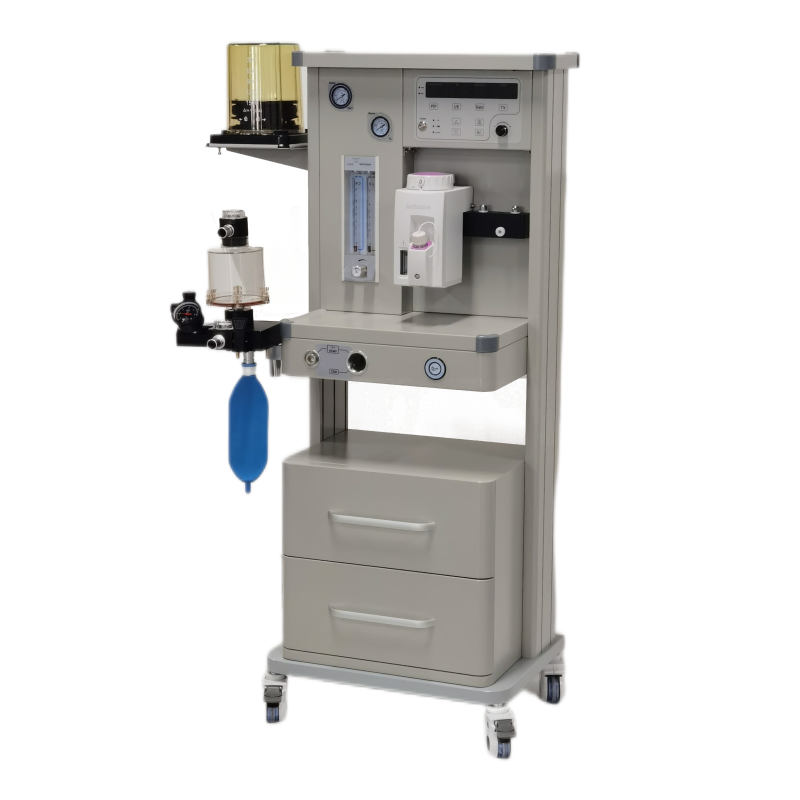 Causes and Management of Respiratory Abnormalities During Animal Anesthesia
 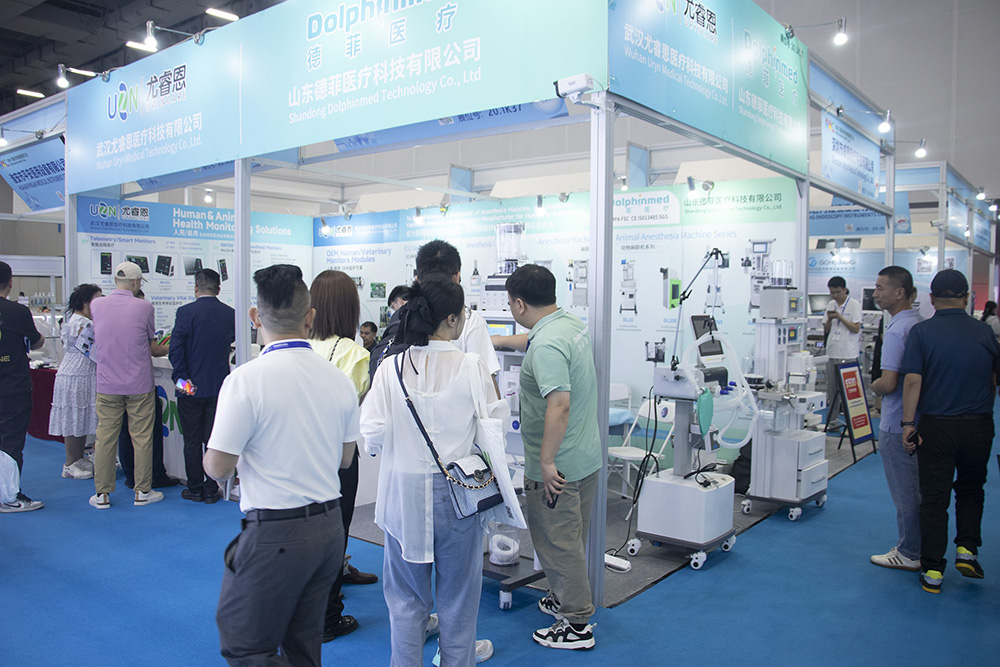 THE 92ND CMEF HAS CONCLUDED, DOLPHINMED ACHIEVING SIGNIFICANT SUCCESS
  Function of Ventilators
  Functions and Structure of an Anesthesia Machine
  Selection of commonly used drugs for animal anesthesia
  Difference between anesthesia machine and ventilator
  Dolphinmed has made a major breakthrough in the field of veterinary respiration
  Introduction of anesthesia vaporizer
  Part of veterinary anesthesia ventilator