


Causes and Management of Respiratory Abnormalities During Animal Anesthesia
author: Dolphinmed
2025-10-16
The main causes of respiratory abnormalities during animal anesthesia include excessive anesthesia depth, airway obstruction, and excessive secretions. The specific management approach depends on the type of abnormality:
● Excessive Anesthesia Depth
Cause: Overdose of anesthetic agents or prolonged effect, depressing the respiratory center.
Management: Immediately stop administering additional anesthetic agents; monitor heart rate and oxygen saturation. If respiratory arrest occurs, initiate artificial respiration immediately, combined with cardiopulmonary resuscitation (if cardiac arrest is present); use anesthetic antagonists if necessary (e.g., Naloxone for opioids).
■ Airway Obstruction
● Upper Airway Obstruction (e.g., tongue retraction, laryngospasm)
Cause: Tongue muscle relaxation, secretion irritation, or surgical manipulation triggering protective reflexes.
Management: Reposition the animal (lateral recumbency or head tilted to the side), clear secretions, deepen anesthesia to suppress reflexes; in severe cases of laryngospasm, perform cricothyroid membrane puncture or administer intravenous Succinylcholine to relieve spasm.
● Lower Airway Obstruction (e.g., asphyxiation)
Cause: Aspiration due to vomiting, improper endotracheal intubation, etc.
Management: Immediately adjust the endotracheal tube position, suction secretions, reintubate if necessary; preoperative fasting is required for prevention.
● Excessive Secretions
Cause: Inadequate preoperative clearing of gastric contents, or increased secretions due to drug stimulation.
Management: Reposition the head (lowered position to drain secretions), use a suction device to thoroughly clear secretions, paying attention to aseptic technique and limiting suction time (no longer than 15 seconds per attempt).
■ Special Circumstances
If an animal has difficulty resuming spontaneous breathing, attempts can be made to stimulate the nasal cavity with a cotton swab or apply rapid chest compressions to assist breathing. In critical situations, immediately provide artificial respiration combined with oxygen administration.
 Side Effects and Risks of Ventilator Use
  INVITATION TO CMEF 2026 – DOLPHINMED
  Dolphinmed invites you to attend the 93rd China International Medical Device Expo (CMEF)!
 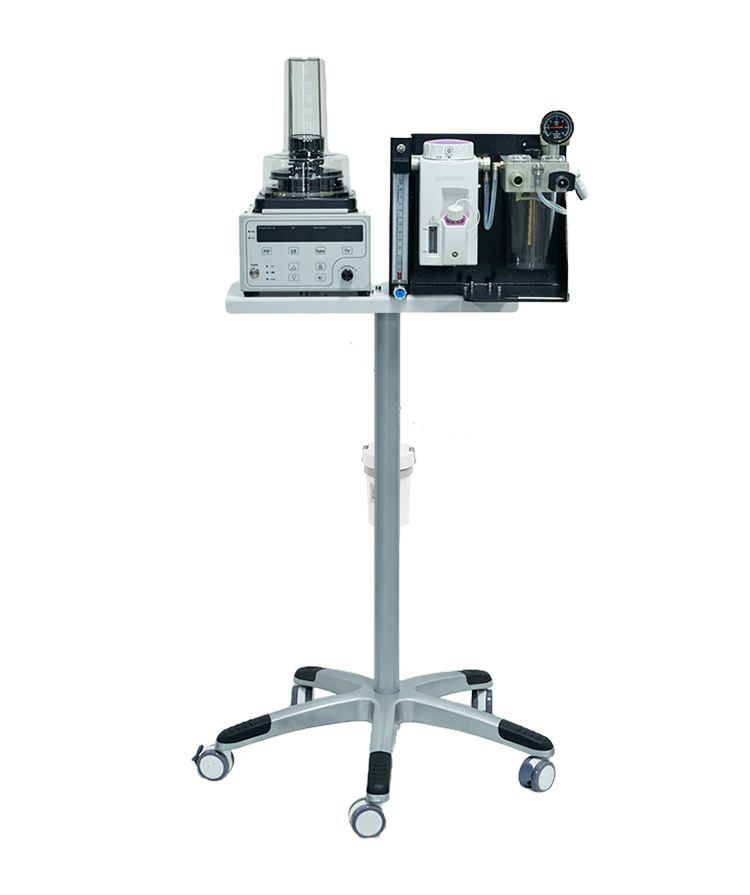 The main features of animal anesthesia machines
  Understanding Inhalational Anesthesia Techniqu
  Understanding the Spontaneous Breathing Mode of Anesthesia Machines
  Classification of Modern Pet Anesthetics
  Anesthesia Workstations and Functional Anatomy Tables
  The Current Situation and Development Trend of Medical Ventilators
  Common Respiratory Modes in Anesthesia and Their Characteristics
  Types and Selection of Small Animal Anesthesia Machines
  The "333 Principle" for small animal anesthesia
 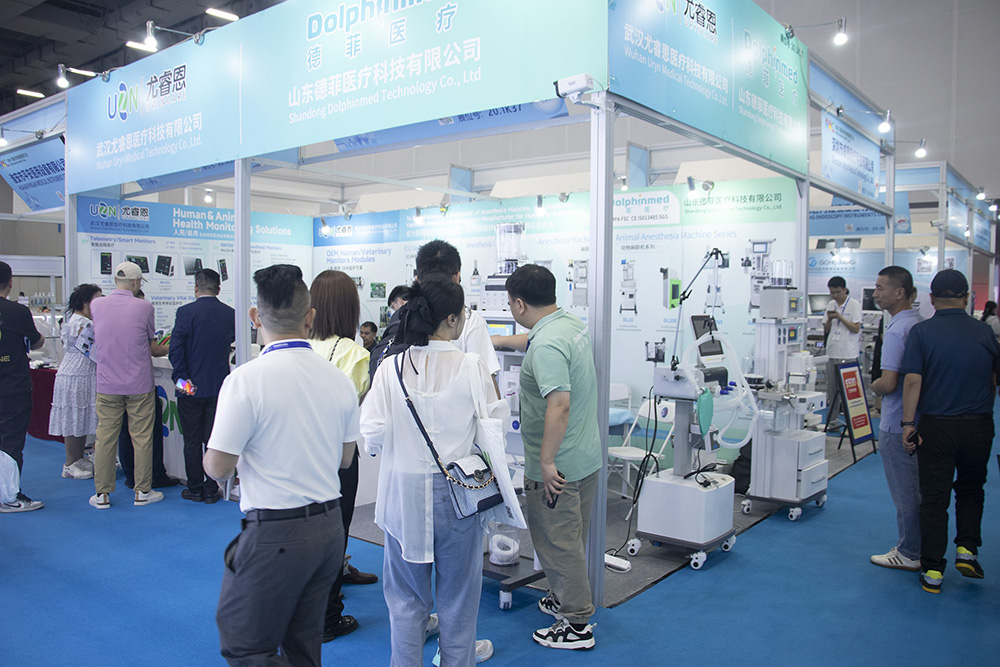 THE 92ND CMEF HAS CONCLUDED, DOLPHINMED ACHIEVING SIGNIFICANT SUCCESS
  Function of Ventilators
 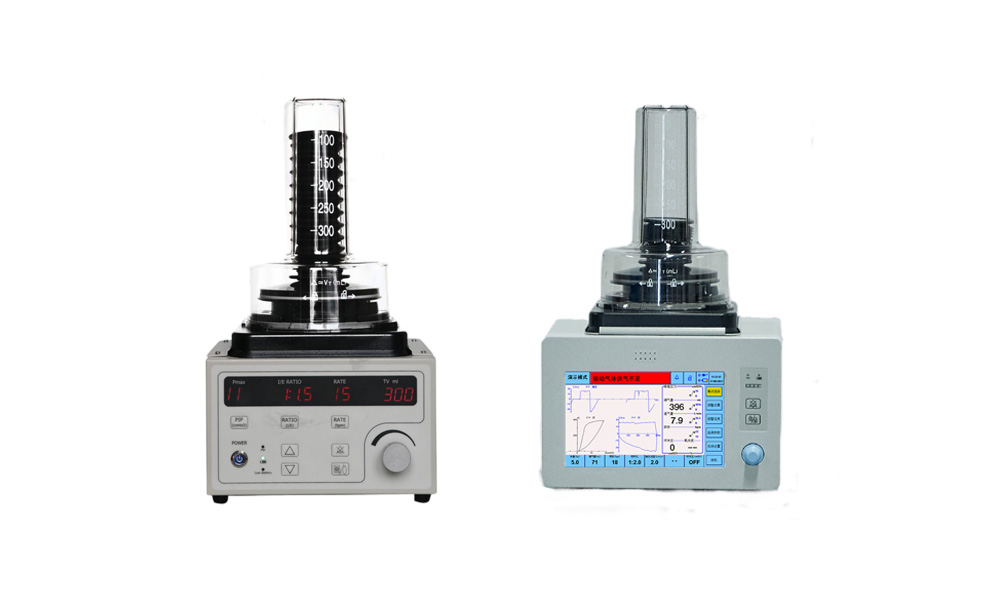 Functions and Structure of an Anesthesia Machine
  Selection of commonly used drugs for animal anesthesia
  Difference between anesthesia machine and ventilator
 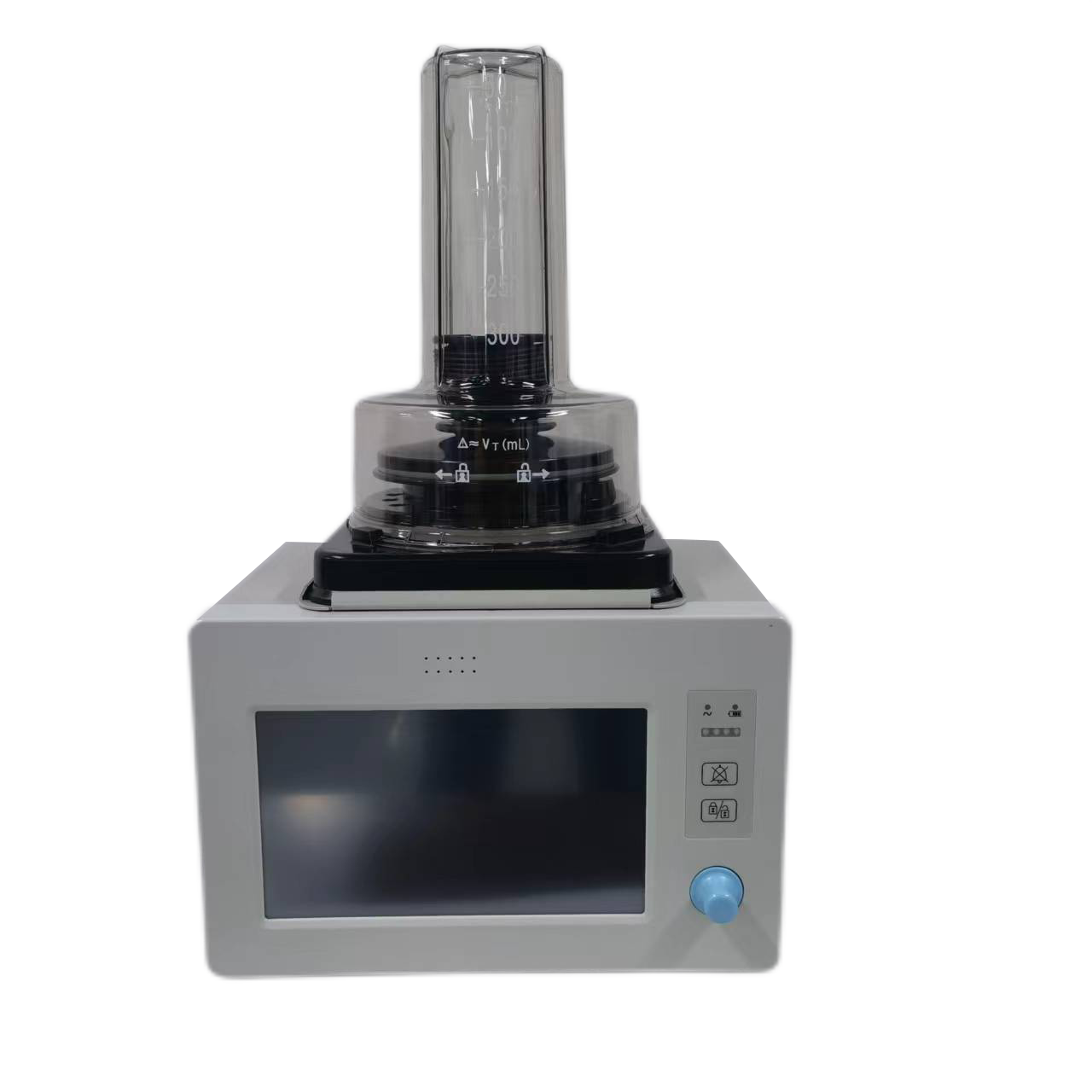 Dolphinmed has made a major breakthrough in the field of veterinary respiration
 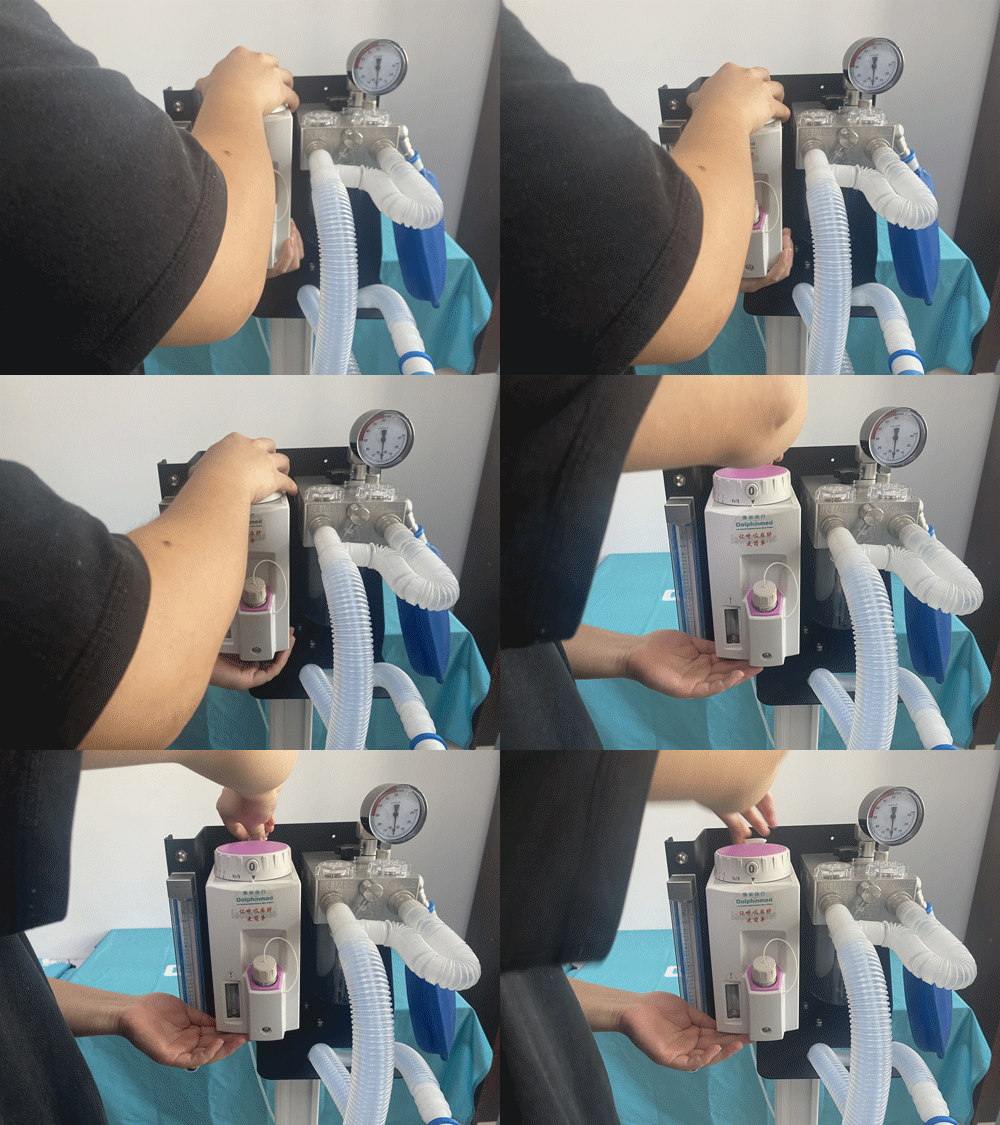 Introduction of anesthesia vaporizer
 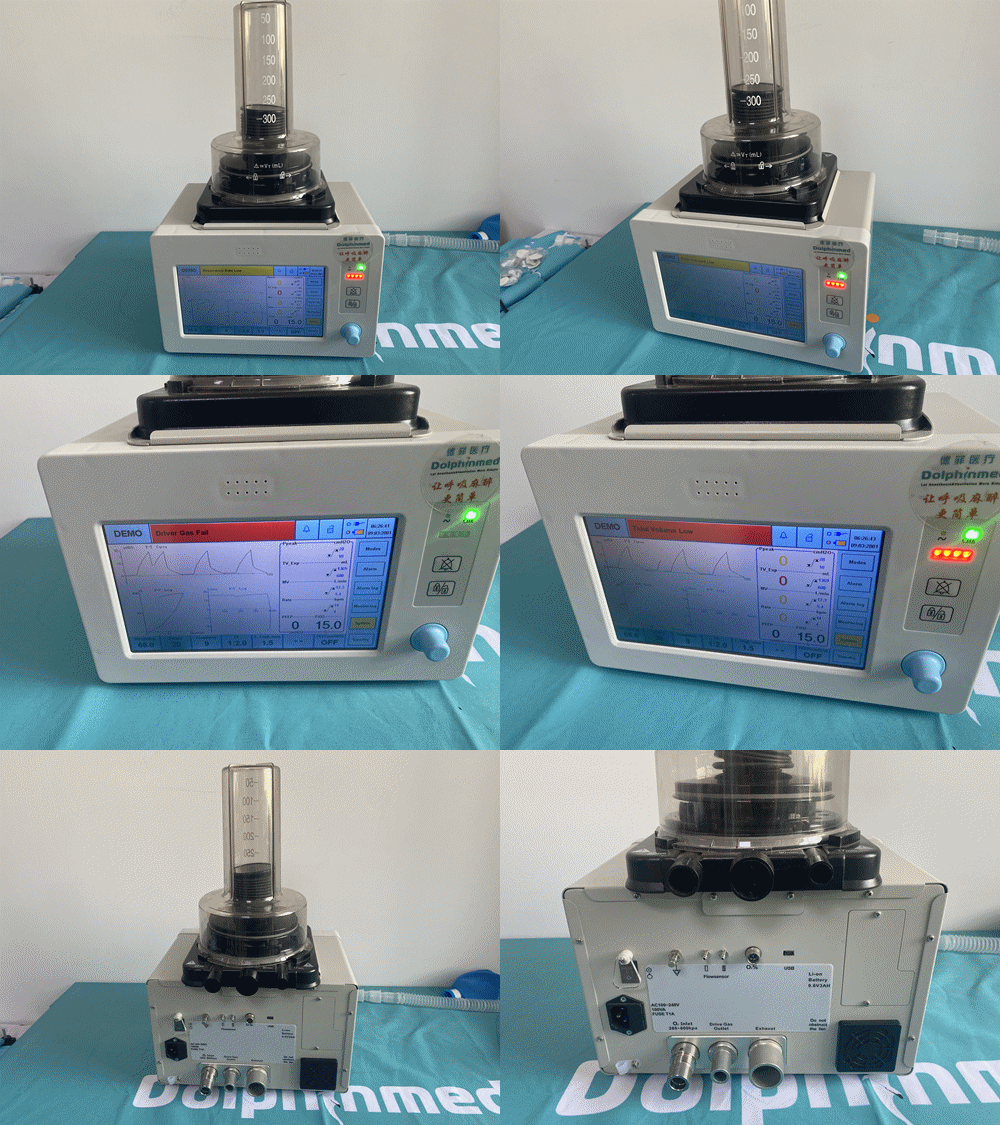 Part of veterinary anesthesia ventilator