


Function of Ventilators
author: Dolphinmed
2025-09-22
A ventilator is a medical device that assists or replaces the body's spontaneous breathing through mechanical means. It is primarily used to improve oxygen supply, remove carbon dioxide, and help patients maintain normal respiratory function. Its core role is to support or take over the breathing process, making it suitable for scenarios such as respiratory failure, post-operative recovery, chronic lung diseases, and sleep apnea syndrome.
◆ Main Functions of Ventilators
▸ Treating Respiratory Failure
When patients experience insufficient spontaneous breathing due to lung diseases (such as pneumonia or COPD), neuromuscular disorders, or trauma, the ventilator delivers oxygen to the lungs via positive pressure ventilation, helping to expand alveoli and correct hypoxemia and hypercapnia.
▸ Maintaining Ventilation
During anesthesia, after major surgery, or in comatose states, patients may temporarily be unable to breathe spontaneously. The ventilator ensures stable oxygen delivery and carbon dioxide removal by setting parameters such as tidal volume and respiratory rate, preventing organ damage due to hypoxia.
▸ Improving Sleep Apnea
For obstructive sleep apnea syndrome (OSA), home non-invasive ventilators (e.g., CPAP) use continuous positive airway pressure to prevent upper airway collapse during sleep, reduce apnea episodes, and improve sleep quality.
▸ Assisting Critically Ill Patients
In intensive care units (ICUs), ventilators can support patients with acute respiratory distress syndrome (ARDS), severe asthma attacks, etc., using modes such as high-frequency oscillatory ventilation (HFOV) or positive end-expiratory pressure (PEEP) to optimize gas exchange.
◆ How Ventilators Work
▸ Positive Pressure Ventilation: Delivers pressurized gas into the airway via a mask or endotracheal tube to forcibly open alveoli, suitable for patients with weak or absent spontaneous breathing.
▸ Pressure/Volume Control: Depending on the patient's condition, pressure control (limiting airway pressure) or volume control (ensuring tidal volume) is selected to balance treatment effectiveness and the risk of lung injury.
▸ Synchronization Trigger: Modern ventilators can detect the patient's spontaneous breathing attempts and provide synchronized assisted ventilation, reducing patient-ventilator asynchrony and improving comfort.
◆ Target Users and Scenarios
▸ Short-Term Use: Post-operative recovery, acute respiratory failure, drug poisoning, and other situations requiring temporary support.
▸ Long-Term Dependence: Patients with chronic conditions such as ALS (amyotrophic lateral sclerosis) or high spinal cord injuries that lead to respiratory muscle weakness.
▸ Home Treatment: Patients with mild to moderate sleep apnea or stable COPD can use home ventilators to improve their quality of life.
 INVITATION TO CMEF 2026 – DOLPHINMED
  Dolphinmed invites you to attend the 93rd China International Medical Device Expo (CMEF)!
 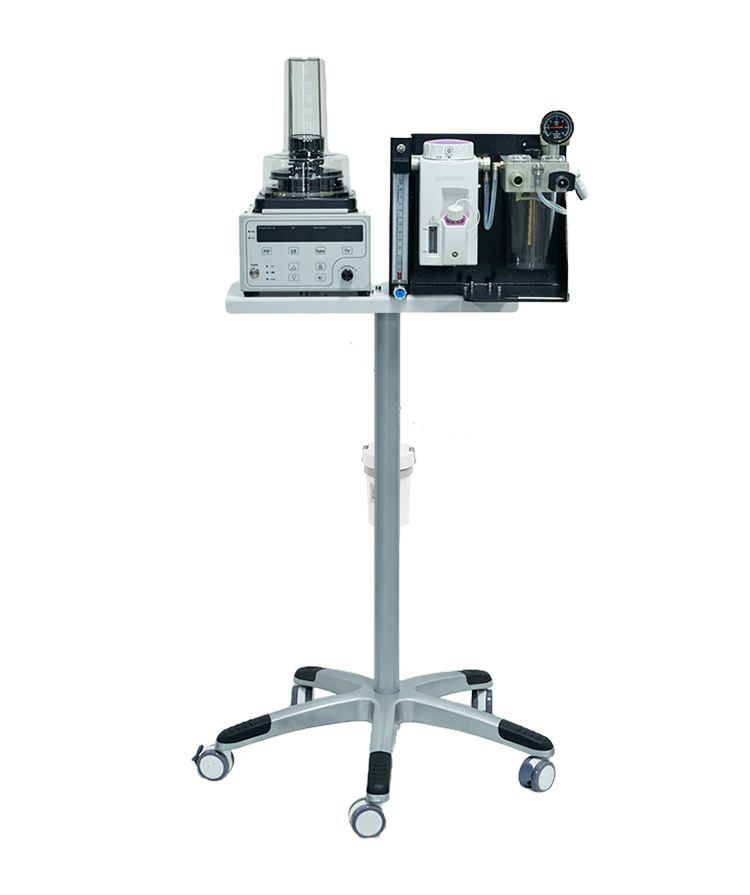 The main features of animal anesthesia machines
  Understanding Inhalational Anesthesia Techniqu
  Understanding the Spontaneous Breathing Mode of Anesthesia Machines
  Classification of Modern Pet Anesthetics
  Anesthesia Workstations and Functional Anatomy Tables
  The Current Situation and Development Trend of Medical Ventilators
  Common Respiratory Modes in Anesthesia and Their Characteristics
  Types and Selection of Small Animal Anesthesia Machines
  The "333 Principle" for small animal anesthesia
 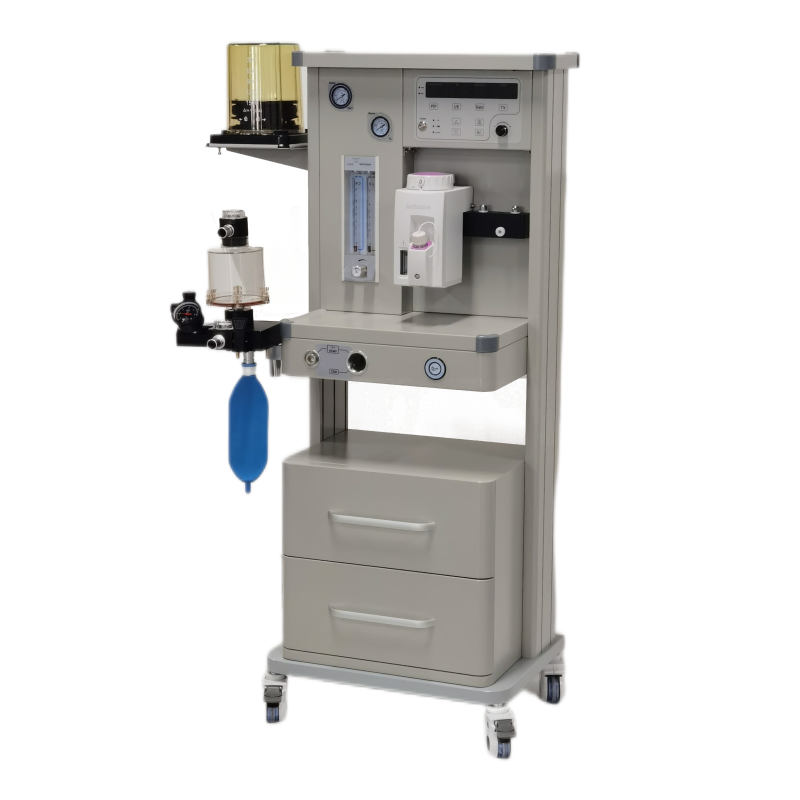 Causes and Management of Respiratory Abnormalities During Animal Anesthesia
 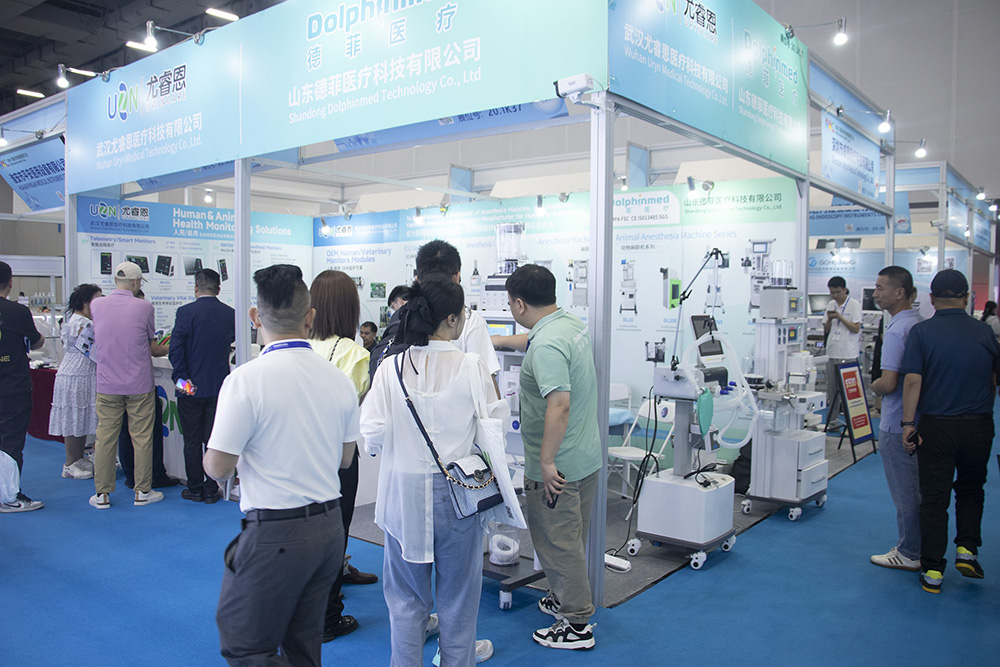 THE 92ND CMEF HAS CONCLUDED, DOLPHINMED ACHIEVING SIGNIFICANT SUCCESS
 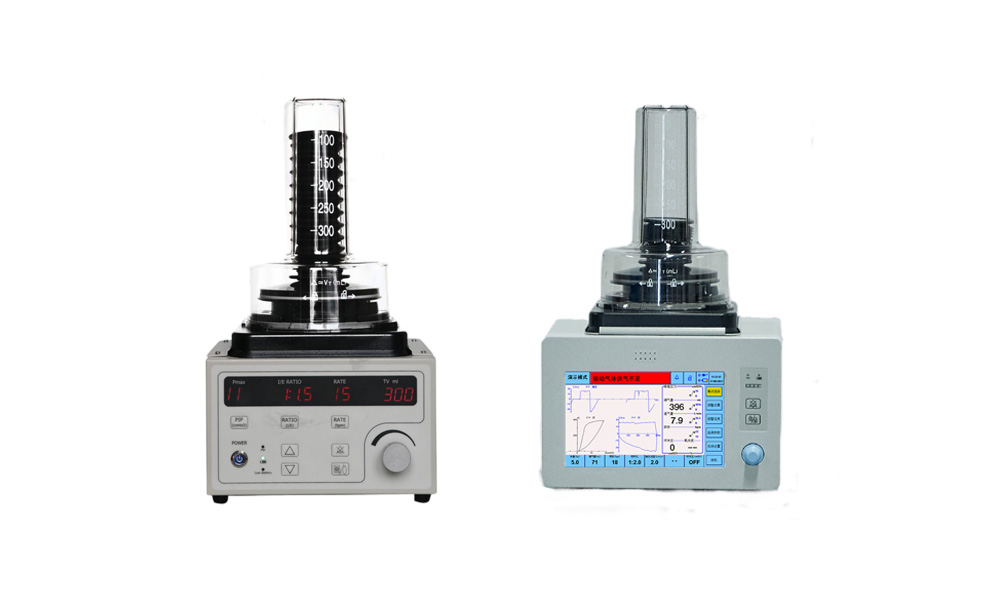 Functions and Structure of an Anesthesia Machine
  Selection of commonly used drugs for animal anesthesia
  Difference between anesthesia machine and ventilator
 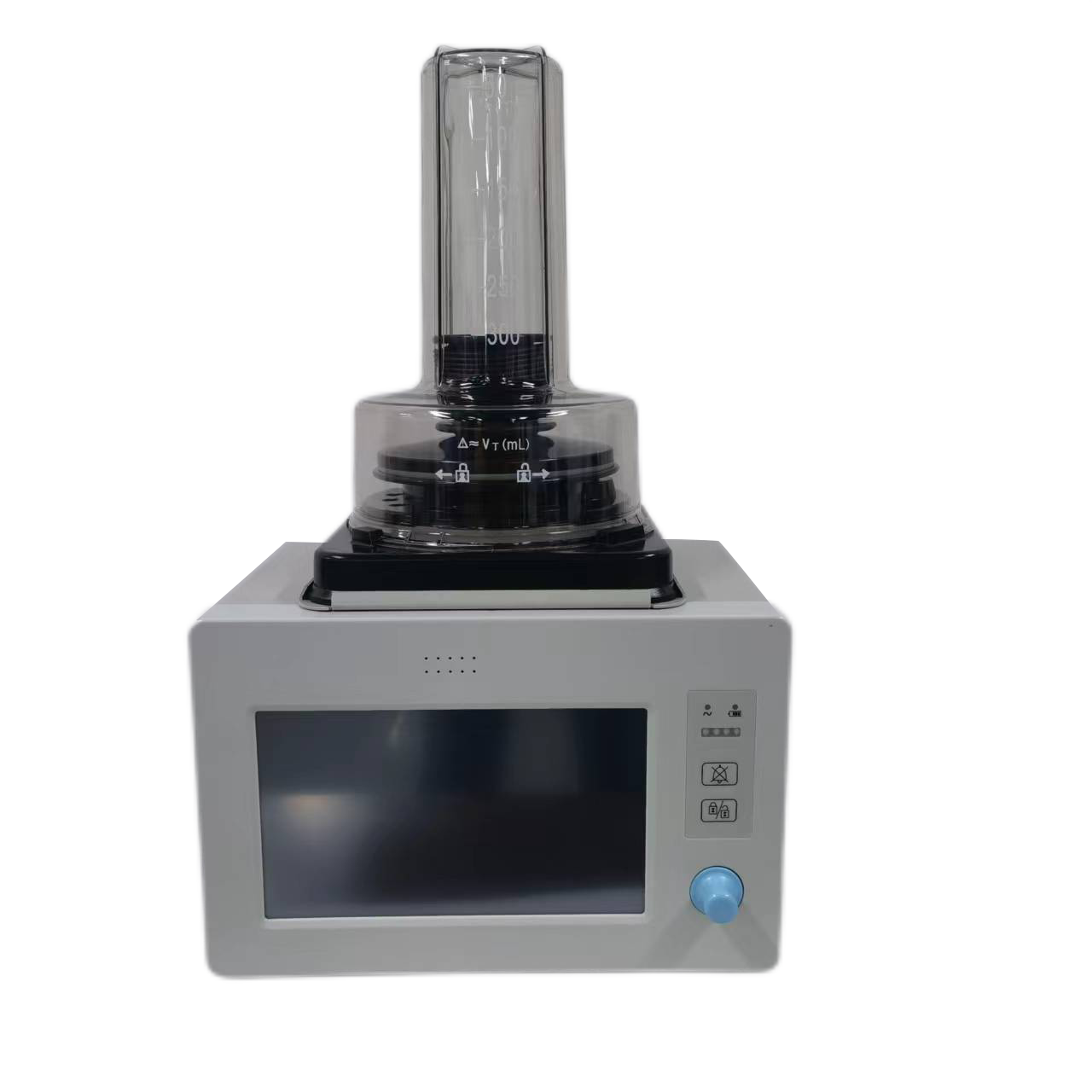 Dolphinmed has made a major breakthrough in the field of veterinary respiration
 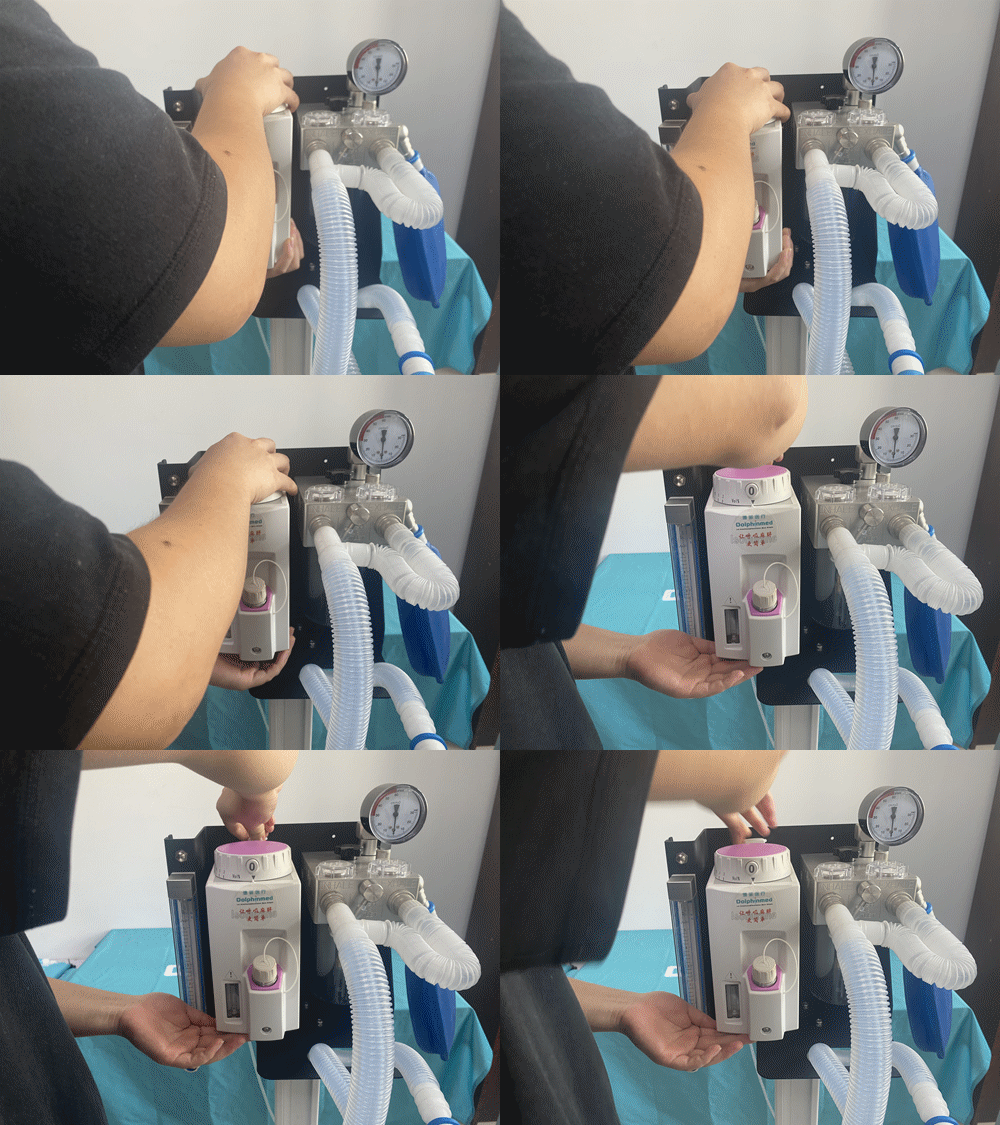 Introduction of anesthesia vaporizer
 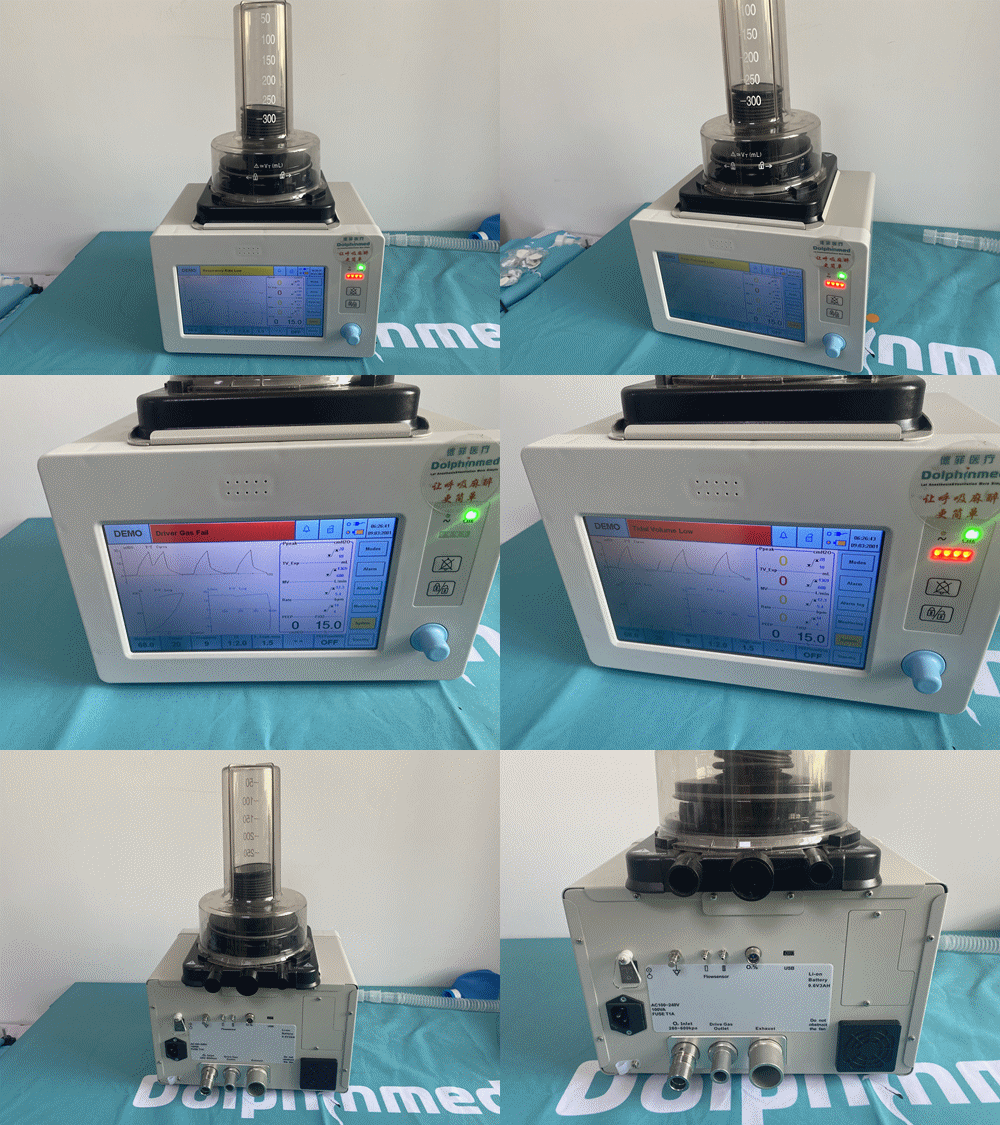 Part of veterinary anesthesia ventilator
 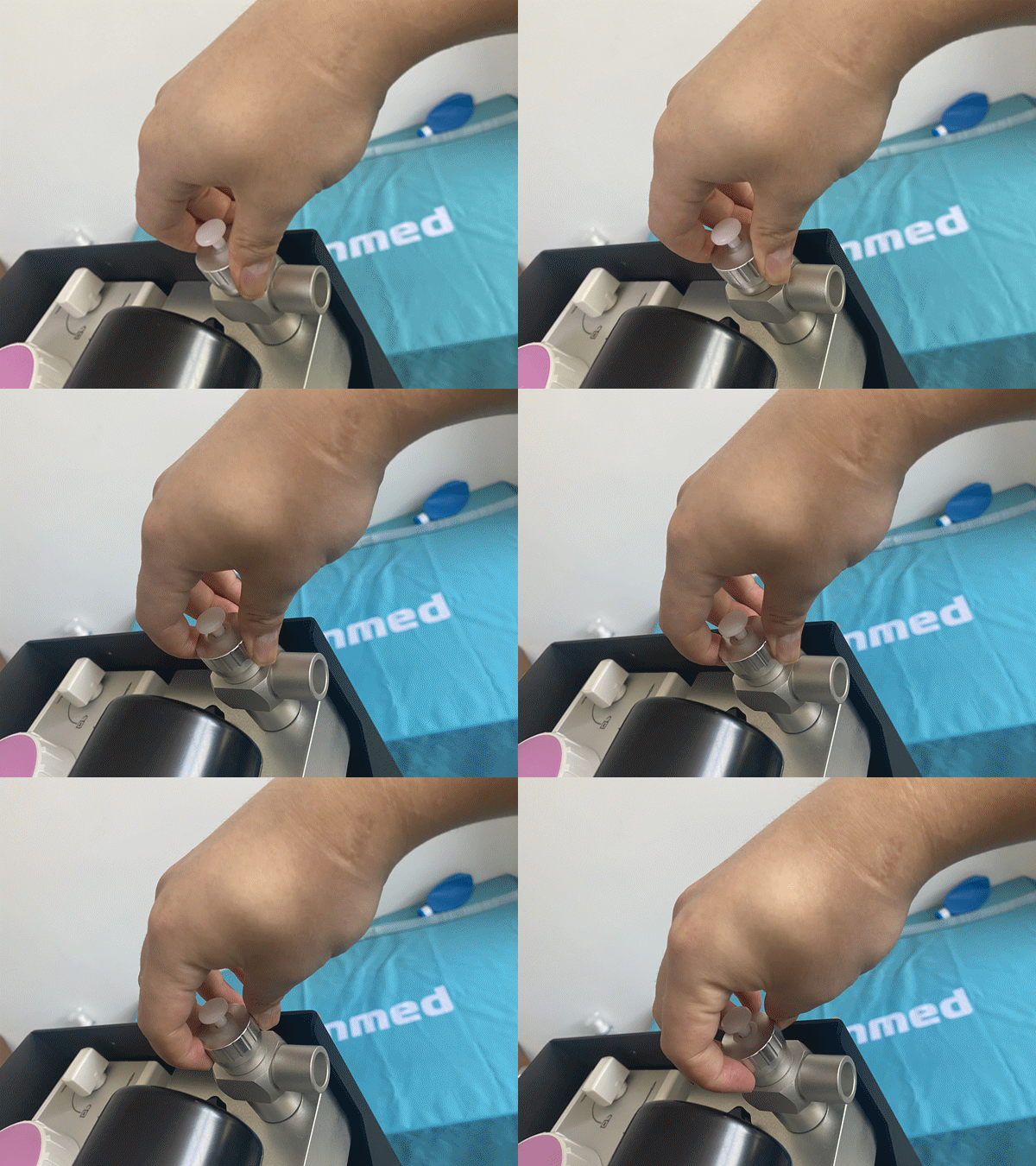 How to set up anesthesia machine veterinary?