


Understanding the Spontaneous Breathing Mode of Anesthesia Machines
author: Dolphinmed
2026-01-08
The spontaneous breathing mode of anesthesia machines refers to a ventilation mode that allows patients to rely on their own respiratory capacity while under anesthesia. It is suitable for situations where spontaneous breathing is weak but not completely absent.
Working Principle and Trigger Mechanism: This mode assists the patient's spontaneous breathing through preset parameters (such as pressure support level). When the patient attempts to inhale, the ventilator detects negative pressure or airflow changes in the airway and triggers gas delivery, providing additional pressure support to reduce the work of breathing. If the patient experiences apnea, the ventilator initiates backup ventilation at a preset frequency to ensure minimum ventilation requirements.
Core Features and Applicable Scenarios: The spontaneous breathing mode emphasizes synchronization with the patient's natural breathing rhythm. It is commonly used in modes such as Pressure Support Ventilation (PSV) or Synchronized Intermittent Mandatory Ventilation (SIMV), and is applicable in the following situations:
• Gradual recovery of spontaneous breathing function during the anesthesia emergence period;
• Preservation of spontaneous breathing during short or outpatient surgeries;
• Assistance when the patient's spontaneous breathing exists but is insufficient.
Compared with fully controlled ventilation, this mode can reduce human-machine asynchrony, maintain physiological breathing rhythms, and lower the risk of complications associated with positive pressure ventilation.
Clinical Application and Considerations: Anesthesiologists need to select the appropriate mode based on the depth of anesthesia, surgical type, and patient condition. For example, in non-intubated spontaneous breathing anesthesia, it can reduce drug dosage and promote rapid postoperative recovery. However, continuous monitoring of indicators such as oxygen saturation and end-tidal carbon dioxide partial pressure is necessary to avoid hypoventilation or excessive dependency.
 Side Effects and Risks of Ventilator Use
  INVITATION TO CMEF 2026 – DOLPHINMED
  Dolphinmed invites you to attend the 93rd China International Medical Device Expo (CMEF)!
 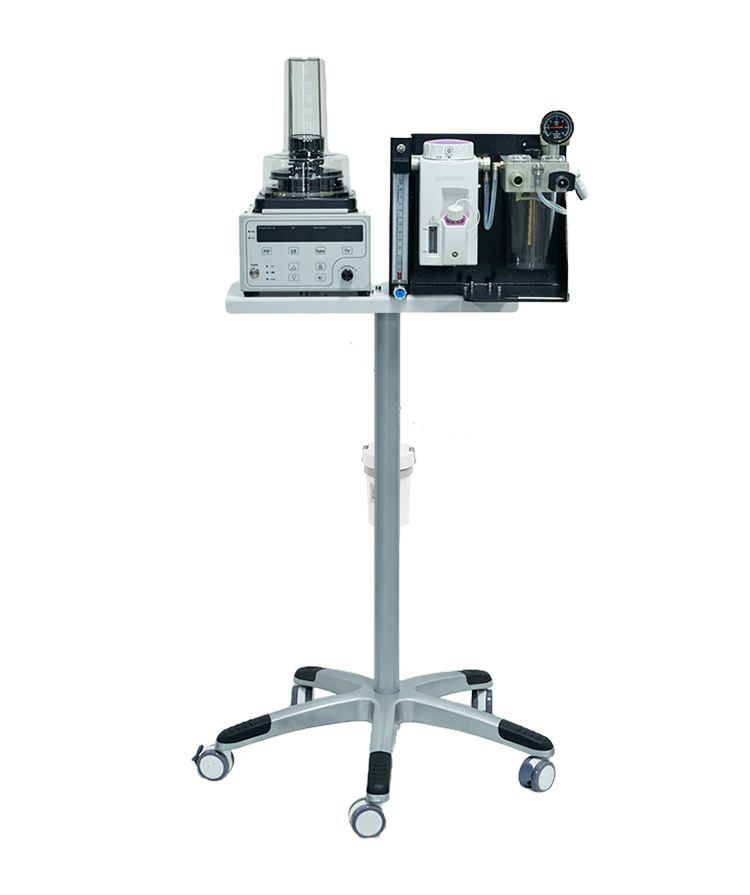 The main features of animal anesthesia machines
  Understanding Inhalational Anesthesia Techniqu
  Classification of Modern Pet Anesthetics
  Anesthesia Workstations and Functional Anatomy Tables
  The Current Situation and Development Trend of Medical Ventilators
  Common Respiratory Modes in Anesthesia and Their Characteristics
  Types and Selection of Small Animal Anesthesia Machines
  The "333 Principle" for small animal anesthesia
 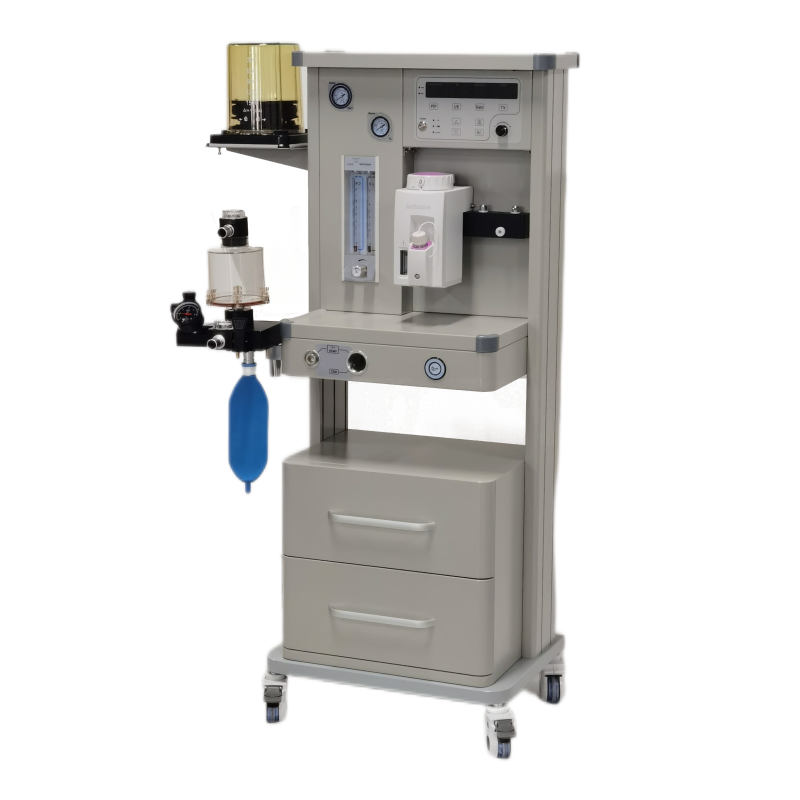 Causes and Management of Respiratory Abnormalities During Animal Anesthesia
 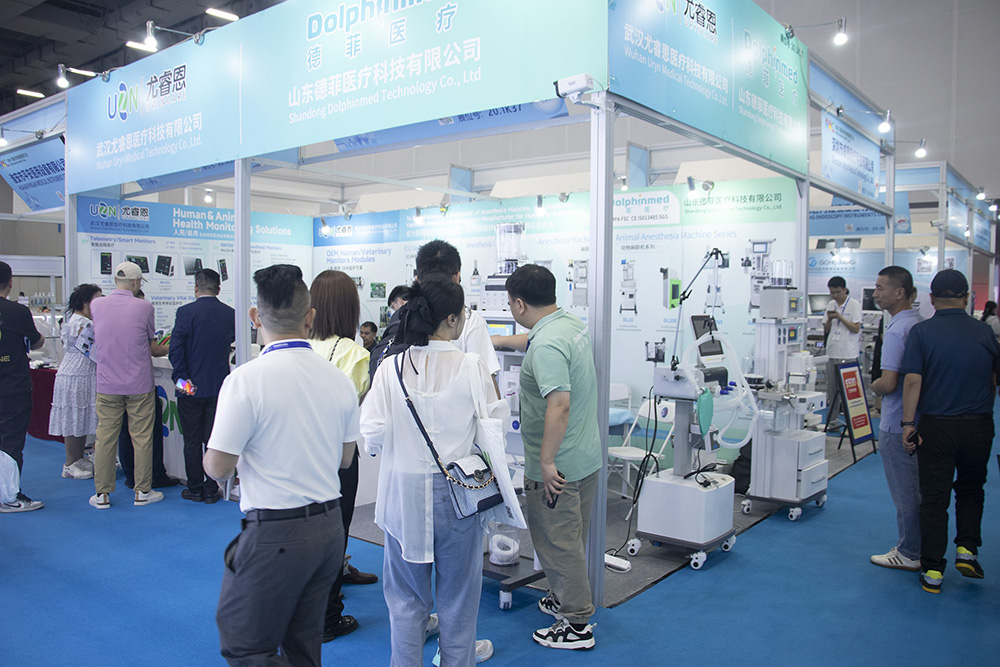 THE 92ND CMEF HAS CONCLUDED, DOLPHINMED ACHIEVING SIGNIFICANT SUCCESS
  Function of Ventilators
 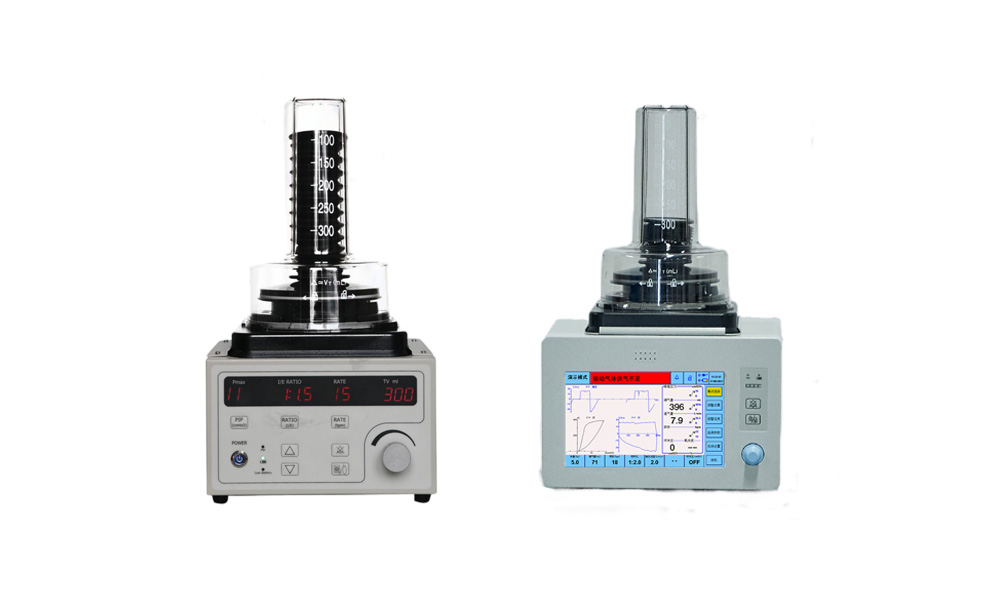 Functions and Structure of an Anesthesia Machine
  Selection of commonly used drugs for animal anesthesia
  Difference between anesthesia machine and ventilator
 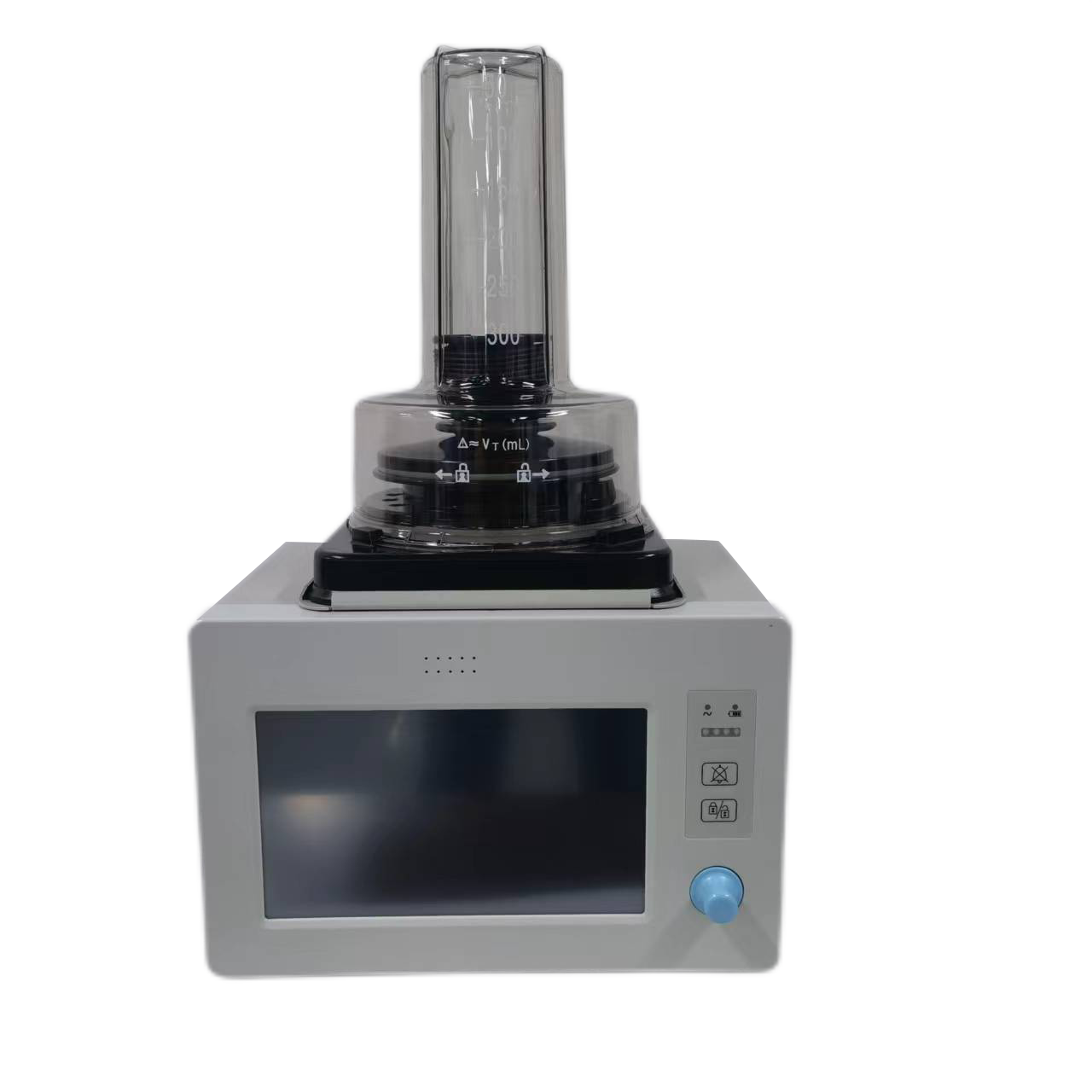 Dolphinmed has made a major breakthrough in the field of veterinary respiration
 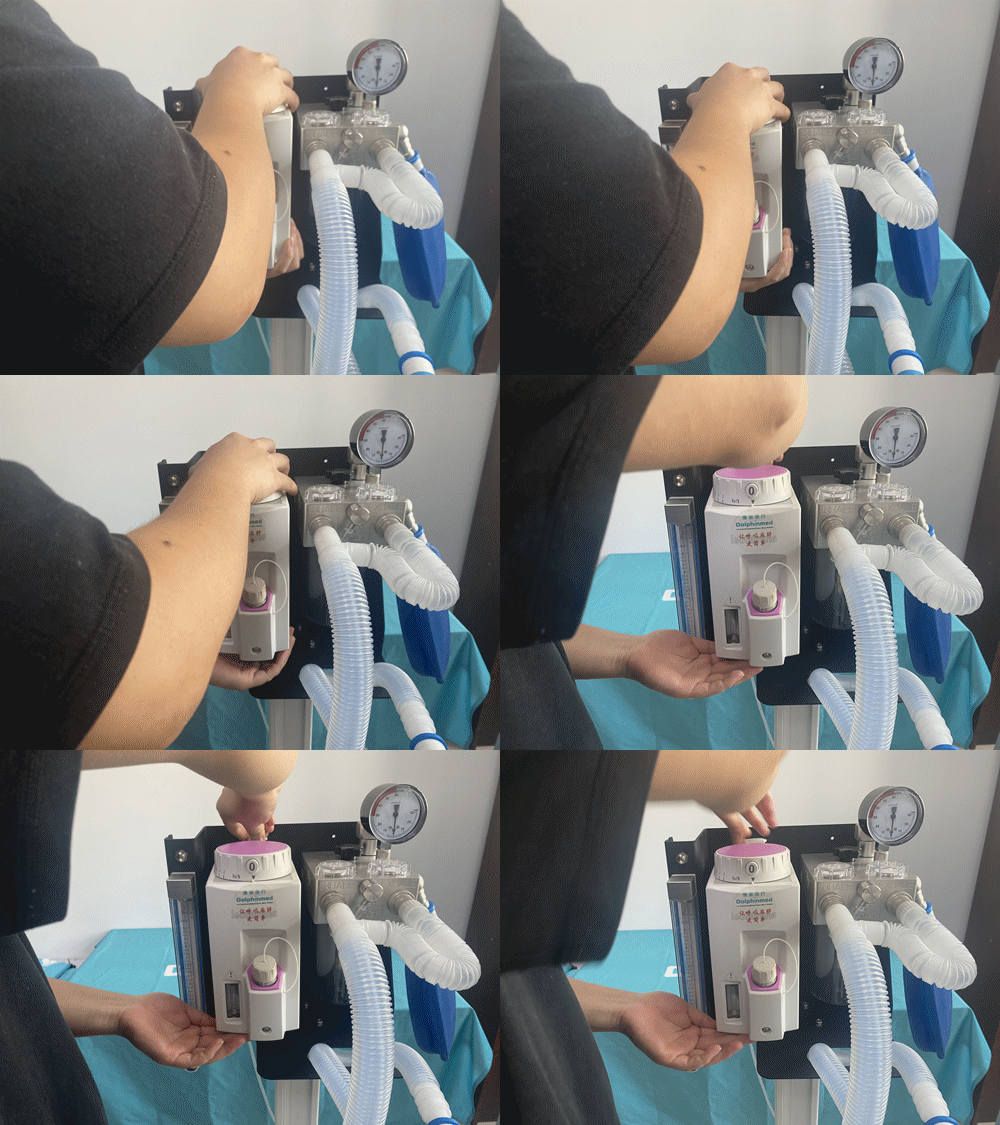 Introduction of anesthesia vaporizer
 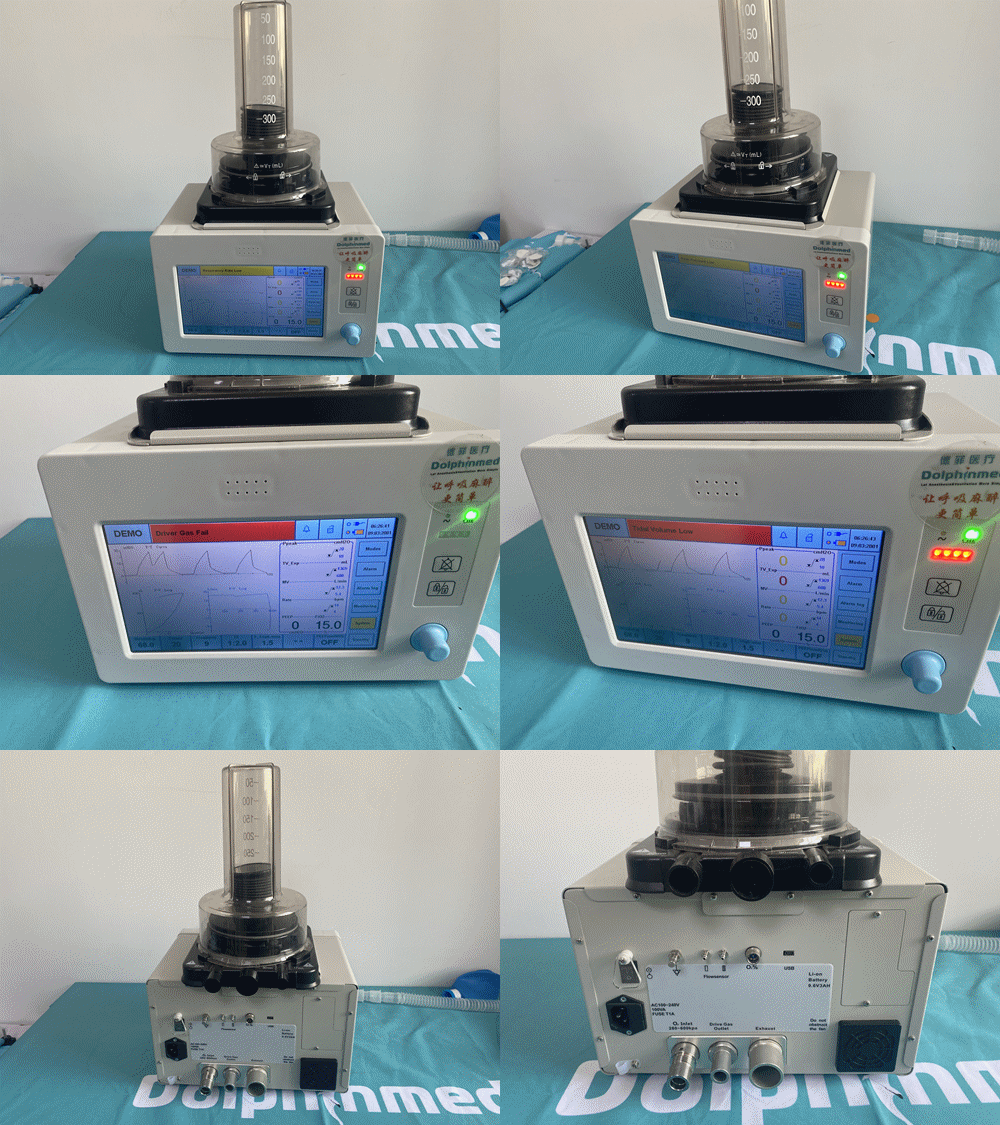 Part of veterinary anesthesia ventilator