


Functions and Structure of an Anesthesia Machine
author: Dolphinmed
2025-09-16
The Anesthesia machine is an indispensable life-support device in modern surgery. Its core function is to provide safe and controllable general anesthesia to patients,
while ensuring ventilation (breathing) and oxygenation during surgical procedures.
Main Components of an Anesthesia Machine
The anesthesia machine can be understood as consisting of the following core systems:
1. Gas Supply System
Function: Provides the various gases required for the operation of the anesthesia machine (oxygen O₂, air, nitrous oxide N₂O, etc.).
Components:
Gas Source: Comes from the hospital's central pipeline gas supply system or high-pressure cylinders attached to the back of the machine.
Pressure Regulator: Reduces the high-pressure gas source to a safe and stable working pressure suitable for the anesthesia machine.
Hypoxia Protection Device: A critical safety feature that prevents the accidental delivery of a hypoxic gas mixture.
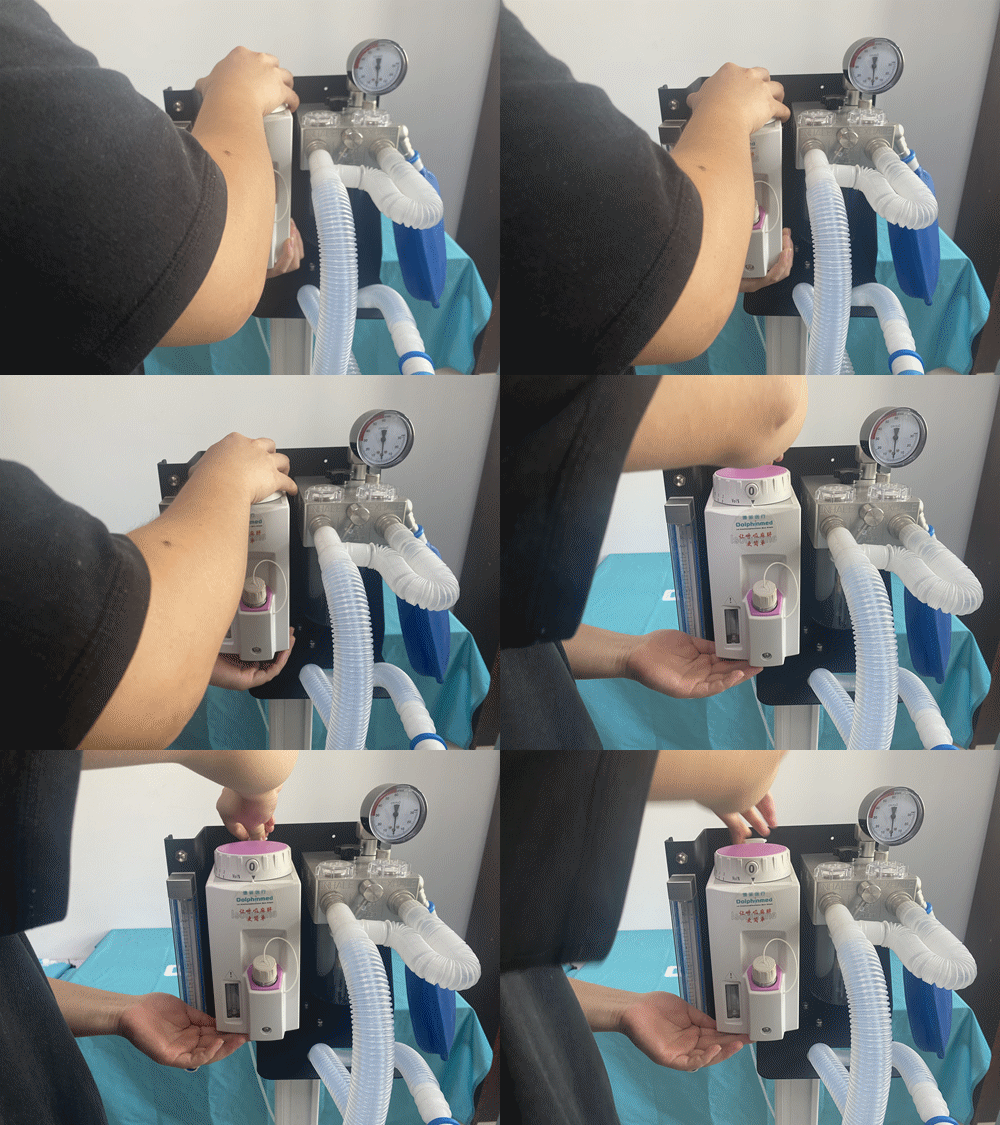
2. Vaporizer
Function: One of the core components of the anesthesia machine. It converts liquid inhalational anesthetics into vapor and allows for precise control of the output concentration.
Features: Typically dedicated and concentration-calibrated, with each vaporizer designed for a specific anesthetic (e.g., a sevoflurane vaporizer).
3. Breathing Circuit System
Function: Delivers the mixed fresh gas (oxygen + anesthetic gas) to the patient and removes the patient's exhaled gases.
Components:
Carbon Dioxide Absorbent Canister: Contains soda lime, which absorbs carbon dioxide from the patient's exhaled breath to prevent rebreathing. This is a key part of
the circular circuit.
Breathing Tubing: Corrugated tubes (inspiratory and expiratory limbs).
Reservoir Bag: Used for manual ventilation (squeezing the bag) and buffering circuit pressure.
APL Valve (Adjustable Pressure-Limiting Valve / Pressure Relief Valve): Vents excess gas during manual ventilation and controls circuit pressure.
Y-Connector: Attaches to the patient's endotracheal tube or mask.
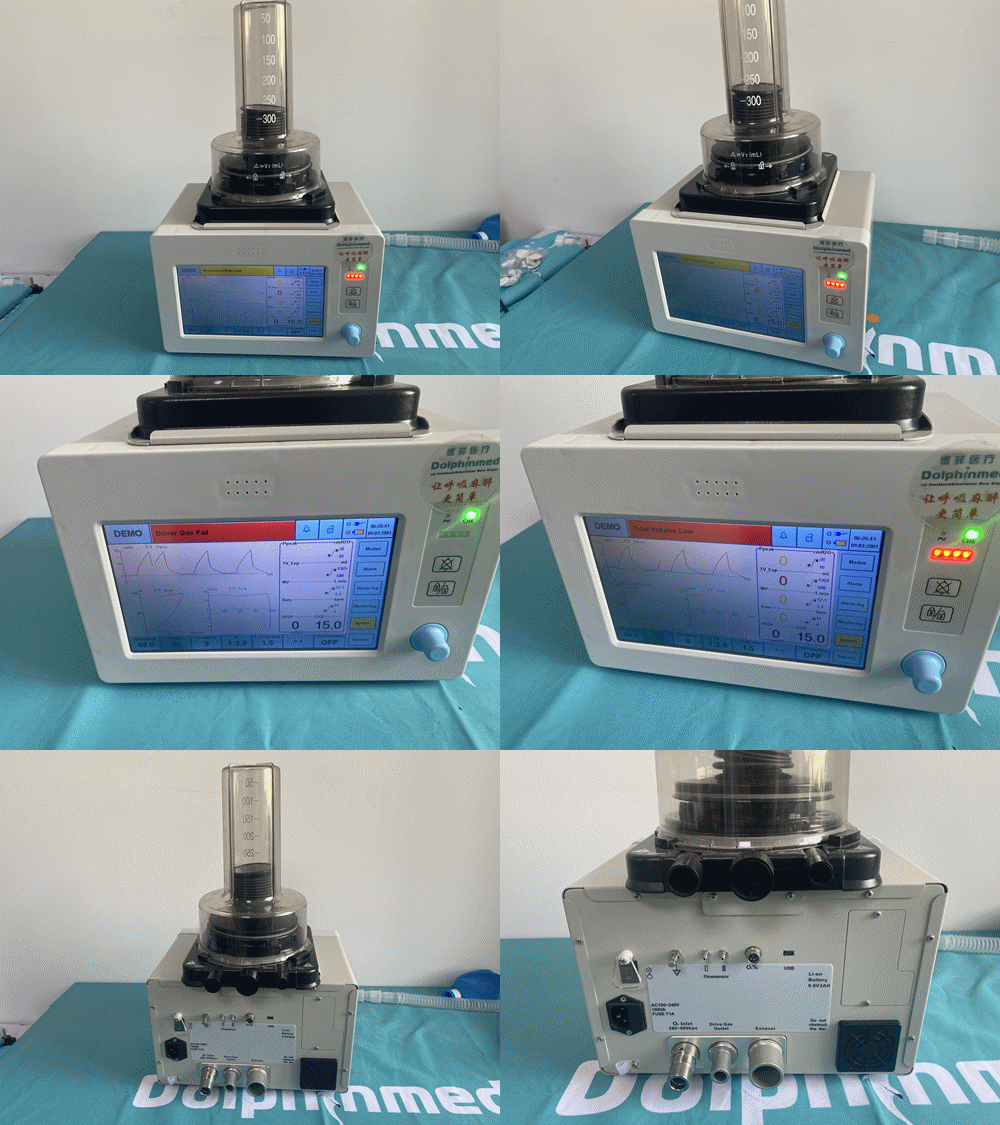
4. Ventilator
Function: Automatically and rhythmically delivers gas to the lungs to provide mechanical ventilation after the patient's spontaneous breathing has ceased. Modern anesthesia machines are equipped with complex electronically controlled ventilators.
5. Safety Monitoring and Alarm System
Function: Acts as the "guardian" of the anesthesia machine, continuously monitoring the machine's operational status and the patient's vital signs, and triggering immediate alarms in case of abnormalities.
Monitored Parameters:
Airway Pressure: Monitors whether ventilation is obstructed or if the tubing has become disconnected.
Tidal Volume / Minute Ventilation: Monitors whether the delivered and exhaled gas volumes are sufficient.
Inspired Oxygen Concentration: Crucial for ensuring the patient inhales a gas mixture with adequate oxygen, preventing hypoxia.
Anesthetic Gas Concentration: Monitors the concentration of anesthetic agents in inspired and end-tidal gases, guiding the regulation of anesthesia depth.
Carbon Dioxide Waveform (Capnography): Considered the gold standard for confirming endotracheal tube placement and effective ventilation.
6. Accessories and Consumables
Waste Gas Scavenging System: Removes excess anesthetic gases from the operating room to protect healthcare staff.
Anesthesia masks, endotracheal tubes, laryngoscopes, etc.: Used to establish an artificial airway.
 Side Effects and Risks of Ventilator Use
  INVITATION TO CMEF 2026 – DOLPHINMED
  Dolphinmed invites you to attend the 93rd China International Medical Device Expo (CMEF)!
 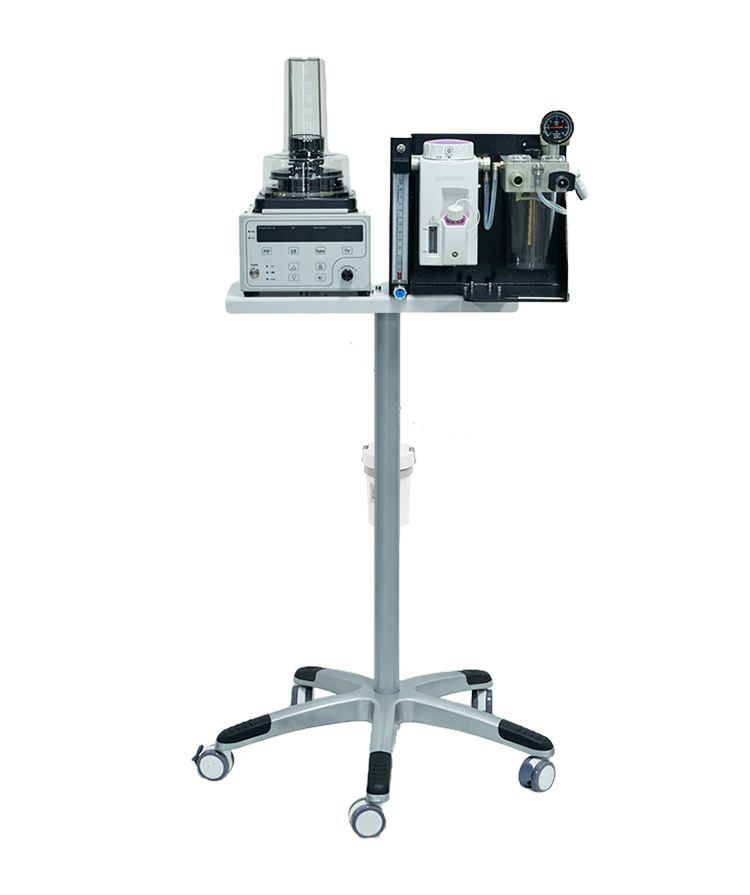 The main features of animal anesthesia machines
  Understanding Inhalational Anesthesia Techniqu
  Understanding the Spontaneous Breathing Mode of Anesthesia Machines
  Classification of Modern Pet Anesthetics
  Anesthesia Workstations and Functional Anatomy Tables
  The Current Situation and Development Trend of Medical Ventilators
  Common Respiratory Modes in Anesthesia and Their Characteristics
  Types and Selection of Small Animal Anesthesia Machines
  The "333 Principle" for small animal anesthesia
 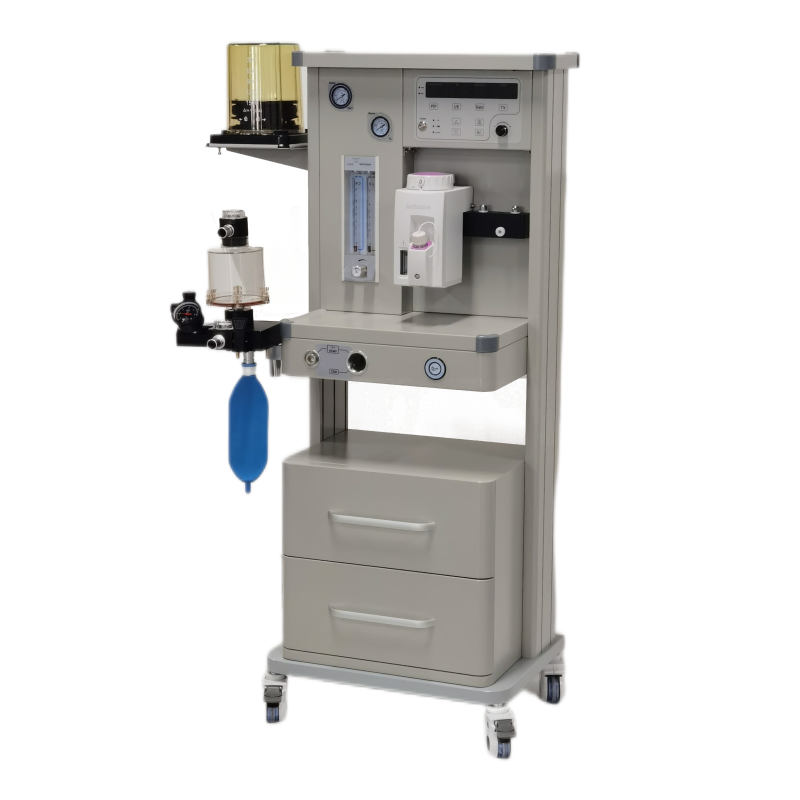 Causes and Management of Respiratory Abnormalities During Animal Anesthesia
 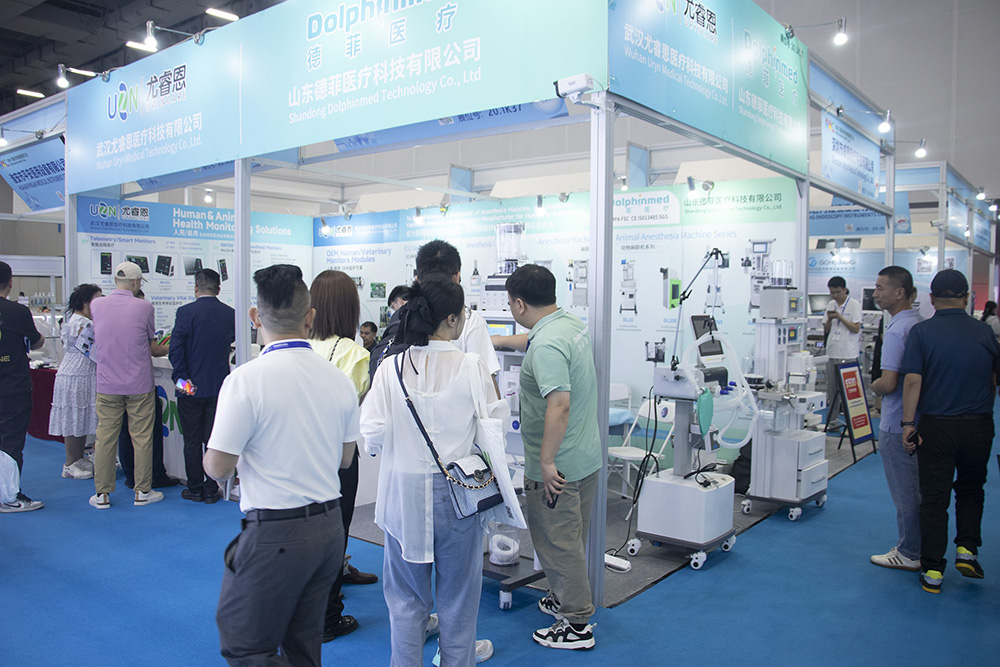 THE 92ND CMEF HAS CONCLUDED, DOLPHINMED ACHIEVING SIGNIFICANT SUCCESS
  Function of Ventilators
  Selection of commonly used drugs for animal anesthesia
  Difference between anesthesia machine and ventilator
 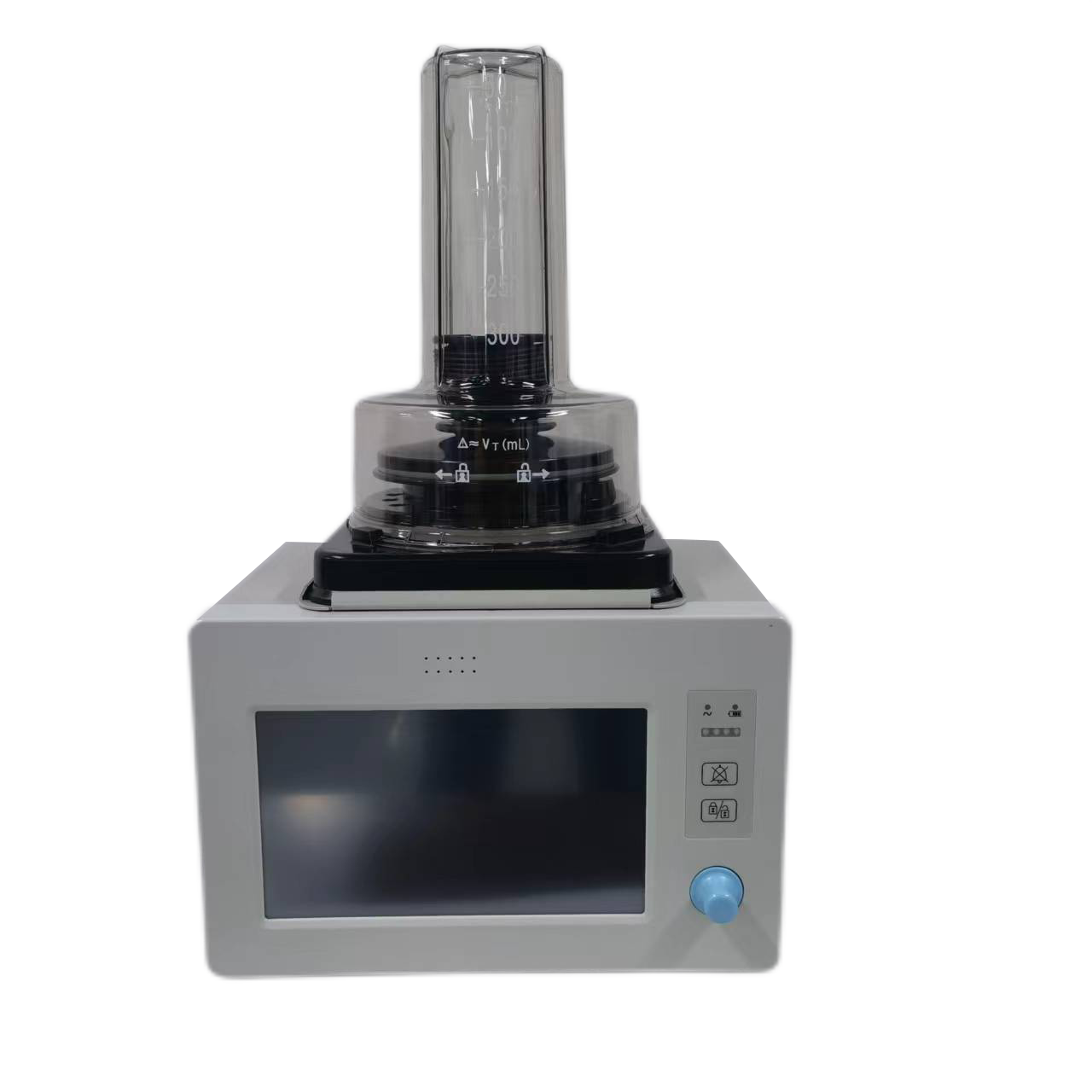 Dolphinmed has made a major breakthrough in the field of veterinary respiration
  Introduction of anesthesia vaporizer
  Part of veterinary anesthesia ventilator