


The main features of animal anesthesia machines
author: Dolphinmed
2026-01-27
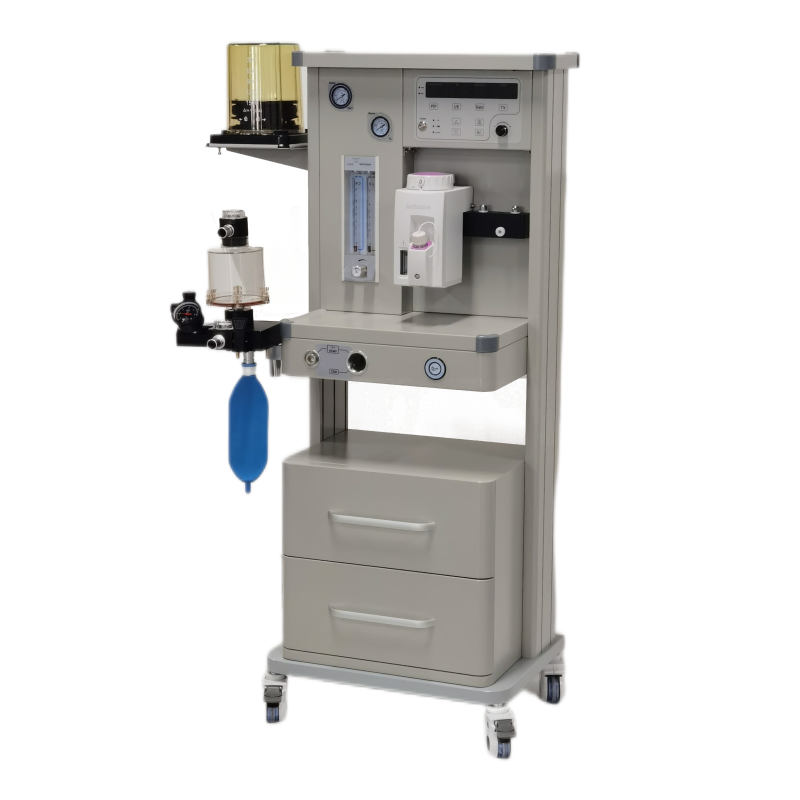
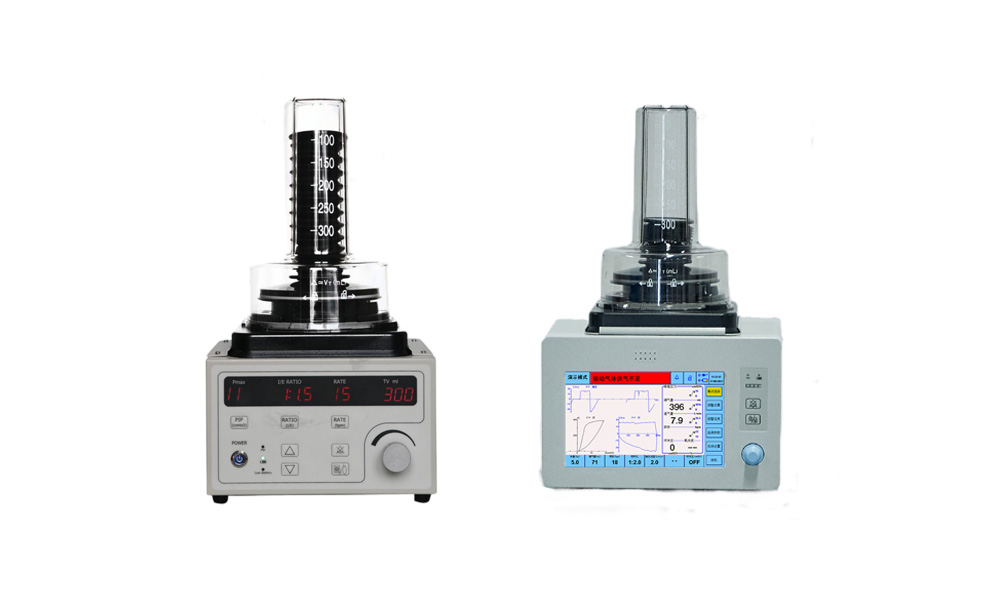
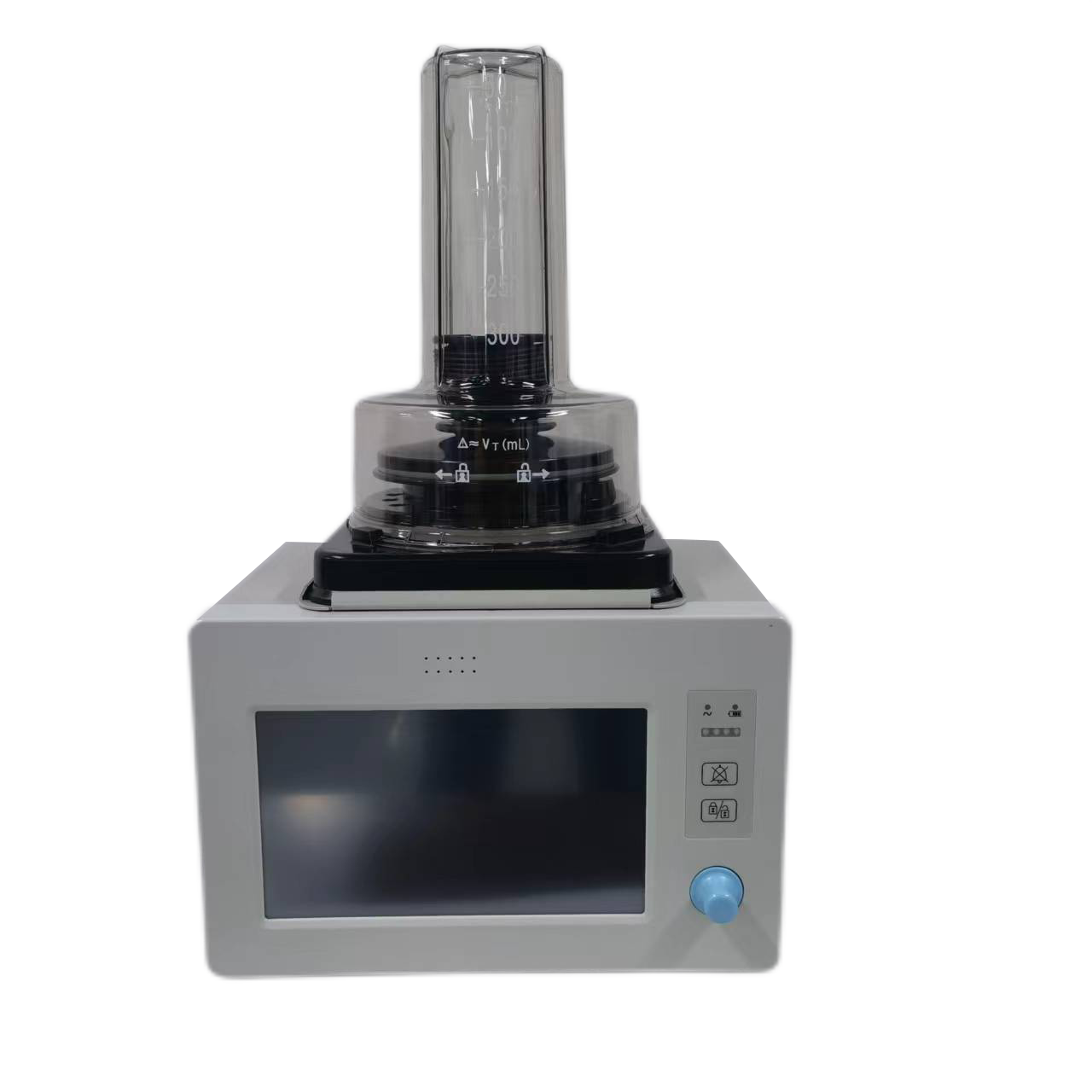
The animal ventilator is a medical device specifically designed for laboratory animals and pets. Its performance features vary based on the applicable animal size (large or small animals) and specific models, but the core design consistently focuses on accuracy, safety, quiet operation, and ease of use.
Core Performance Features:
● Precise Ventilation Control: Equipped with imported motors and controllers to ensure stable airflow output. Supports dual modes of Volume Control Ventilation (VCV) and Pressure Control Ventilation (PCV), allowing precise adjustment of tidal volume (ranging from as small as 0.1 ml to 1500 ml) and respiratory rate (up to 300 breaths per minute) to meet the physiological needs of different animals.
● Comprehensive Safety Monitoring and Protection: Features real-time airway pressure monitoring and alarm functions. When pressure exceeds preset safety thresholds (e.g., 6 KPa or 50 cmH₂O), the device can automatically release pressure or trigger an alarm to prevent barotrauma. Some high-end models also integrate mainstream or sidestream end-tidal CO₂ monitoring to assess the animal’s ventilation status in real time.
● Intelligent and User-Friendly Operation: Most devices are equipped with LED or touch screens (such as a 5-inch LCD) to display real-time parameters like respiratory rate, tidal volume, and pressure waveforms. Some models support one-touch animal weight input, with the device automatically matching recommended ventilation parameters to simplify the operation process.
● Low Noise and Comfort Design: Utilizes quiet operation technology, with operating noise below 45 dB, to avoid causing stress or disturbance to laboratory animals and ensure the accuracy of experimental data.
● Flexible Ventilation Modes and Functions: In addition to basic Intermittent Positive Pressure Ventilation (IPPV), these devices generally support adjustable inspiratory-to-expiratory ratios (ranging from 1:1.5 to 5:1), Positive End-Expiratory Pressure (PEEP) control, and a sigh function to prevent alveolar collapse and improve oxygenation.
● Convenient Gas Source and Expandability: Most products do not require an external high-pressure gas source and can operate using air or oxygen, making them easy to use. The devices are typically equipped with an oxygen inlet and a waste gas outlet, facilitating connection to anesthesia gas circuits or filters to meet anesthesia respiratory management needs.
 Side Effects and Risks of Ventilator Use
  INVITATION TO CMEF 2026 – DOLPHINMED
  Dolphinmed invites you to attend the 93rd China International Medical Device Expo (CMEF)!
  Understanding Inhalational Anesthesia Techniqu
  Understanding the Spontaneous Breathing Mode of Anesthesia Machines
  Classification of Modern Pet Anesthetics
  Anesthesia Workstations and Functional Anatomy Tables
  The Current Situation and Development Trend of Medical Ventilators
  Common Respiratory Modes in Anesthesia and Their Characteristics
  Types and Selection of Small Animal Anesthesia Machines
  The "333 Principle" for small animal anesthesia
  Causes and Management of Respiratory Abnormalities During Animal Anesthesia
  THE 92ND CMEF HAS CONCLUDED, DOLPHINMED ACHIEVING SIGNIFICANT SUCCESS
  Function of Ventilators
  Functions and Structure of an Anesthesia Machine
  Selection of commonly used drugs for animal anesthesia
  Difference between anesthesia machine and ventilator
  Dolphinmed has made a major breakthrough in the field of veterinary respiration
 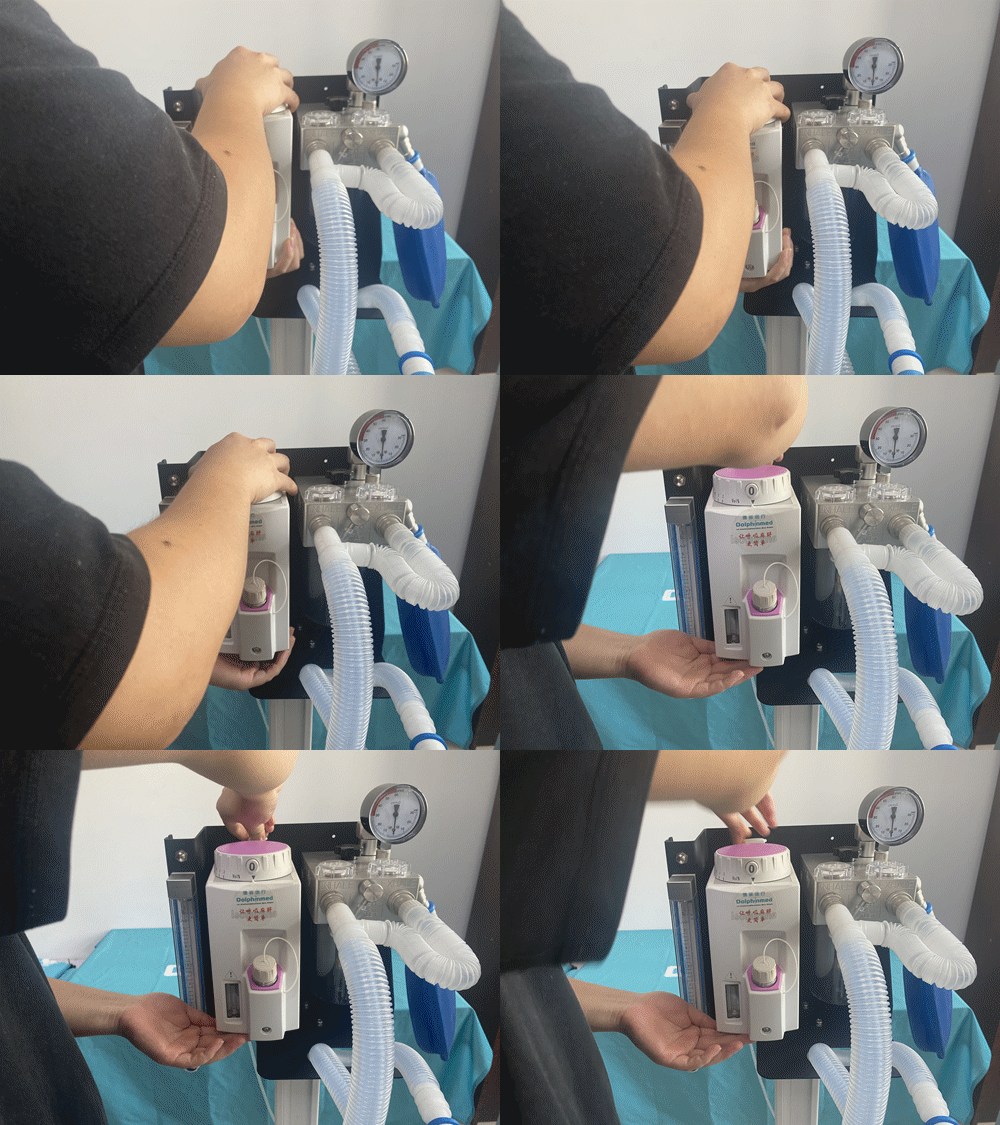 Introduction of anesthesia vaporizer
 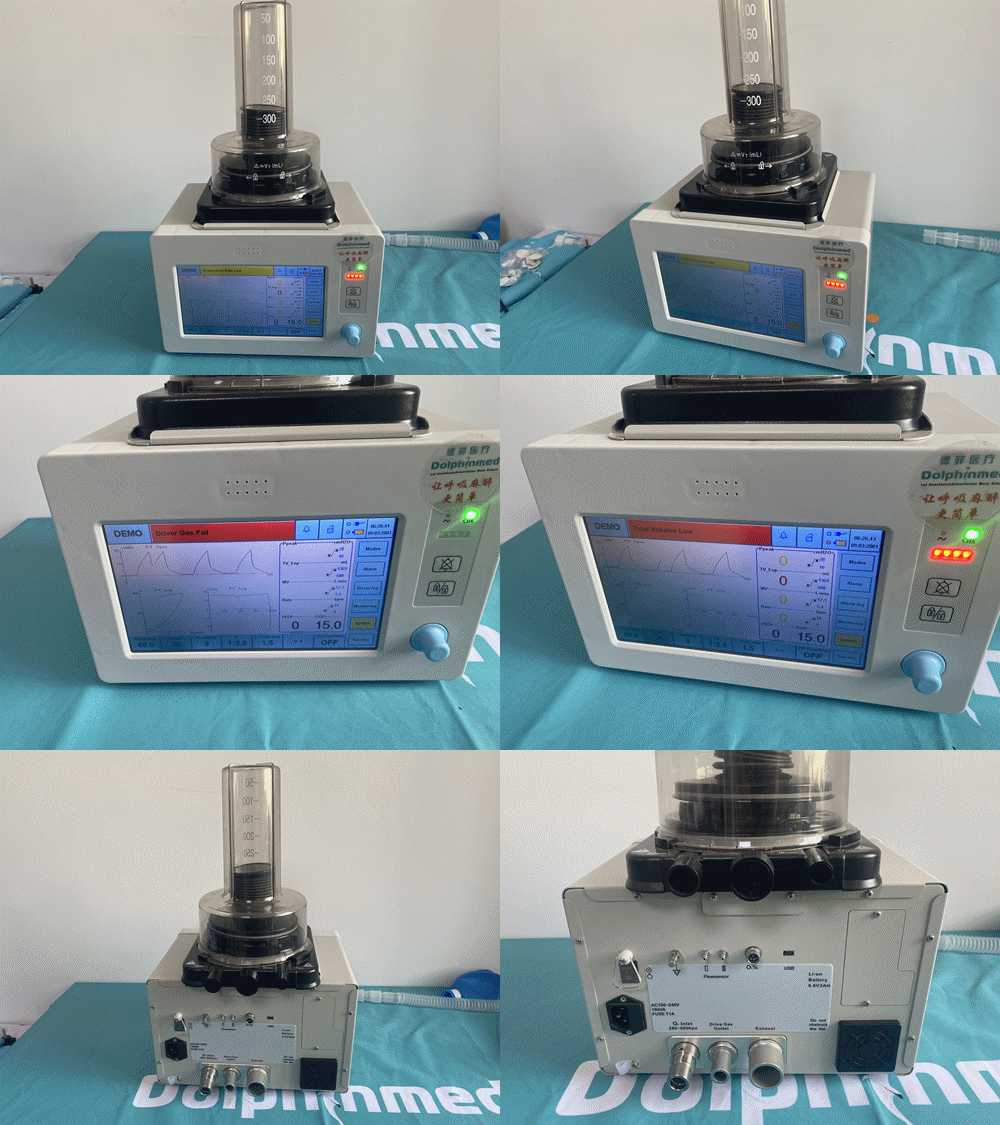 Part of veterinary anesthesia ventilator