


Common Parameter Ranges for Mechanical Ventilators
author: Dolphinmed
2026-10-13
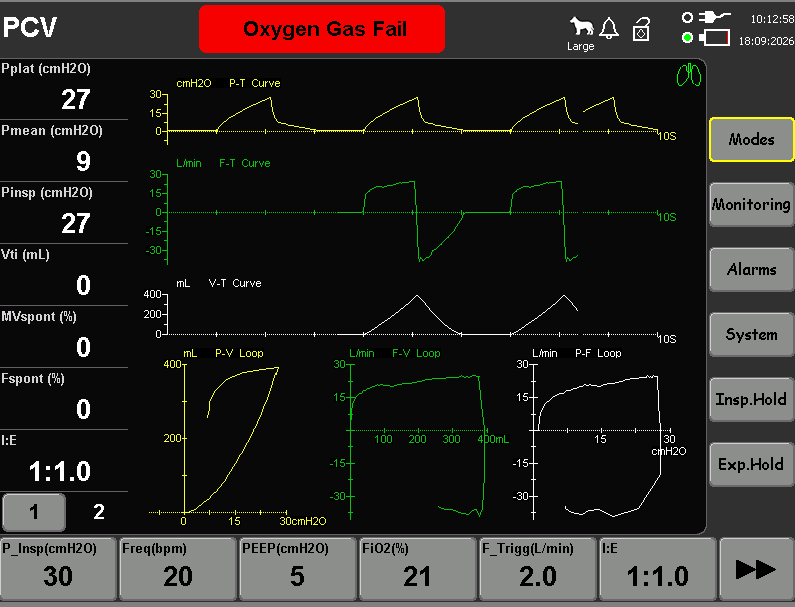
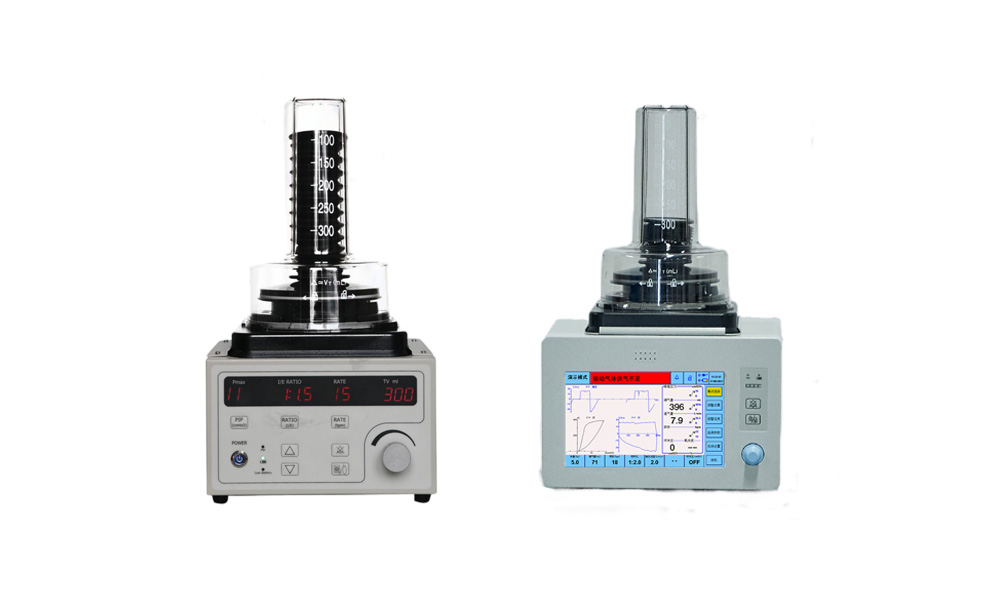
A mechanical ventilator is an effective means of replacing a patient's spontaneous ventilation. It is widely used in clinical practice and has important clinical significance in respiratory failure, intraoperative anesthesia, emergency resuscitation, and other settings. Ventilator parameters include ventilation rate, tidal volume, inspiratory flow rate, inspiratory-to-expiratory ratio, flow pattern, fraction of inspired oxygen, and trigger sensitivity. Their normal value ranges are as follows:
◆ Ventilation rate: For adult patients, the respiratory rate is generally set at 15–20 breaths/min. The rate setting varies according to the patient's condition.
◆ Tidal volume: For adults, it is generally 5–15 mL/kg, with a commonly used range of 8–12 mL/kg. The specific tidal volume should be determined according to the patient's own condition, taking into account factors such as airway resistance, oxygenation status, and ventilation function, and comprehensively judging the tidal volume suitable for the patient.
◆ Inspiratory flow rate: The inspiratory flow rate is generally set at 40–100 L/min.
◆ Inspiratory-to-expiratory ratio: In general, the inspiratory-to-expiratory ratio is set at 1:2 to 1:1.5. This is because the setting of the inspiratory-to-expiratory ratio should comprehensively consider the effects of mechanical ventilation on the patient, including hemodynamics, oxygenation status, and other factors.
◆ Flow pattern: Common flow patterns include decelerating flow, accelerating flow, square-wave flow, and sine-wave flow. Different flow patterns are selected according to the patient's own condition.
◆ Fraction of inspired oxygen: The fraction of inspired oxygen should be determined according to factors such as the arterial partial pressure of oxygen and the patient's hemodynamic status. In general, the oxygen concentration is required to be less than 60%.
◆ Trigger sensitivity: Different ventilators have different trigger sensitivity settings, but the purpose of all of them is to monitor intra-alveolar pressure. For pressure triggering, the setting is generally -0.5 to -1.5 cmH2O; for flow triggering, the ventilator is set at 1–3 L/min.
When using a ventilator, its function should be checked to ensure that it can work properly. At the same time, the patient's electrocardiographic monitoring should be closely monitored, and ventilator alarm values should be set so that changes in the patient's vital signs can be detected early.
 Invitation to 94th CMEF 2026 – Dolphinmed
  Side Effects and Risks of Ventilator Use
  INVITATION TO CMEF 2026 – DOLPHINMED
  Dolphinmed invites you to attend the 93rd China International Medical Device Expo (CMEF)!
 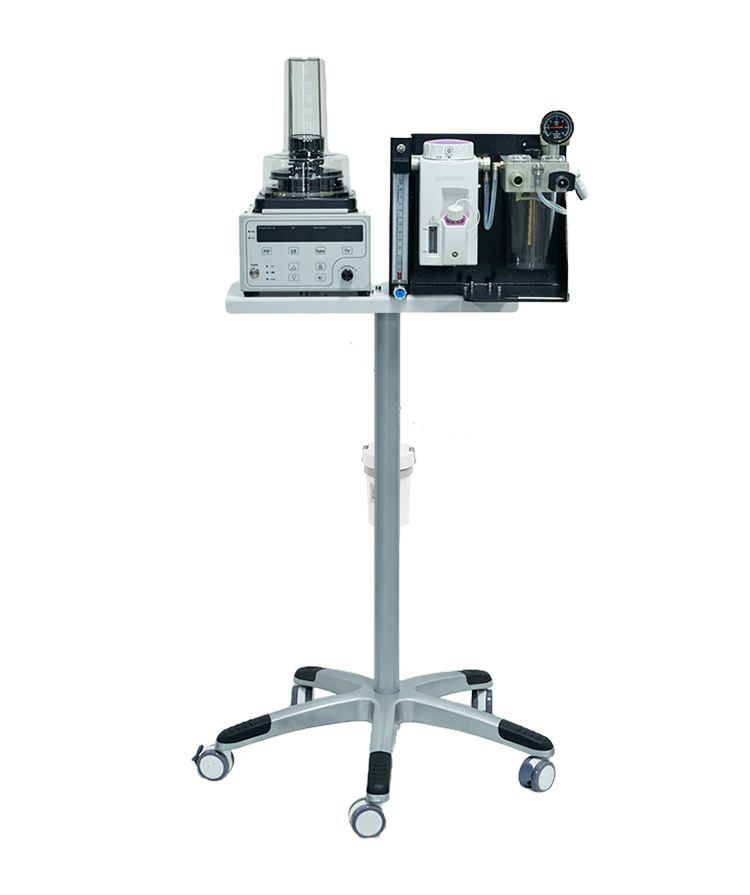 The main features of animal anesthesia machines
  Understanding Inhalational Anesthesia Techniqu
  Understanding the Spontaneous Breathing Mode of Anesthesia Machines
  Classification of Modern Pet Anesthetics
  Anesthesia Workstations and Functional Anatomy Tables
  The Current Situation and Development Trend of Medical Ventilators
  Respiratory Modes in Anesthesia and Characteristics
  Types and Selection of Small Animal Anesthesia Machines
  The "333 Principle" for small animal anesthesia
 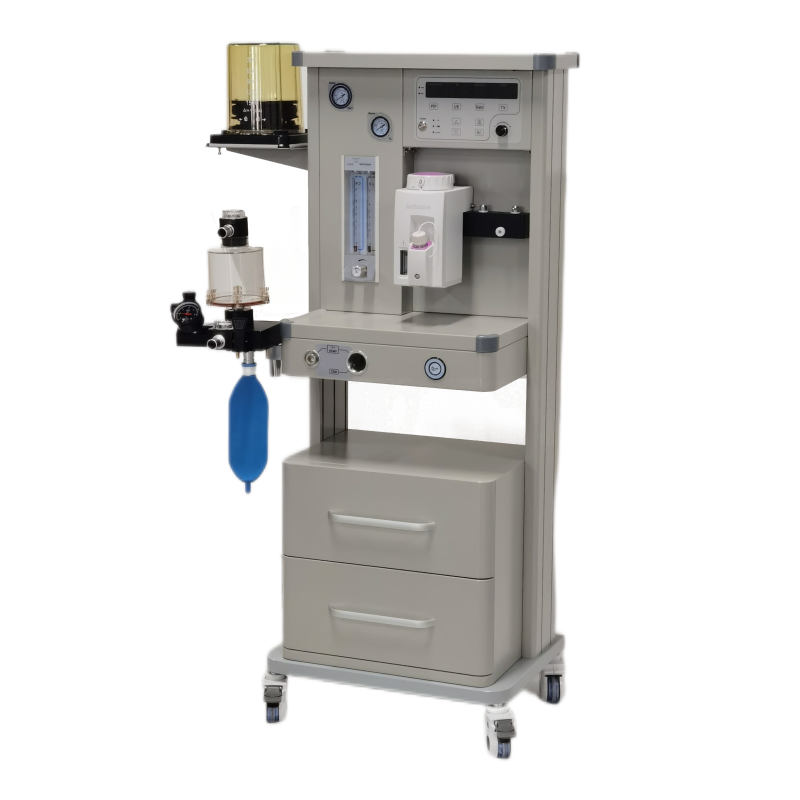 Causes and Management of Respiratory Abnormalities During Animal Anesthesia
 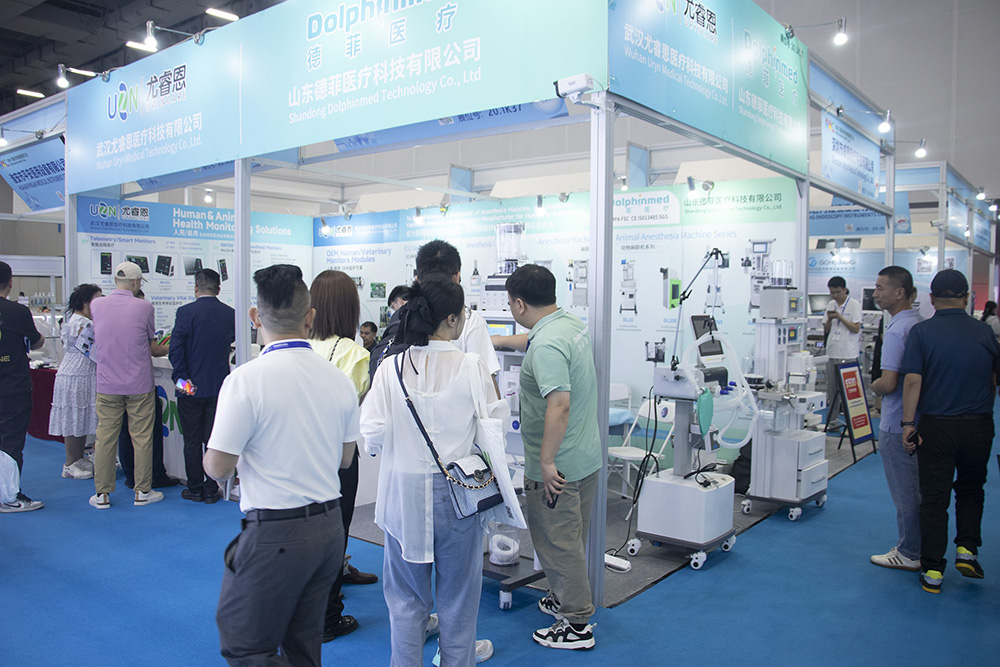 THE 92ND CMEF HAS CONCLUDED, DOLPHINMED ACHIEVING SIGNIFICANT SUCCESS
  Function of Ventilators
  Functions and Structure of an Anesthesia Machine
  Selection of commonly used drugs for animal anesthesia
  Difference between anesthesia machine and ventilator
  Dolphinmed has made a major breakthrough in the field of veterinary respiration