


Selección de medicamentos comunes para la anestesia animal
2025-09-12
Animal anesthesia drugs primarily include three types: inhalation anesthetics, injectable anesthetics, and combination anesthetics. The specific choice should be comprehensively determined based on the animal species, surgical requirements, and safety considerations.
Classification and Characteristics of Major Anesthetic Drugs:
Inhalation Anesthetics:
Isoflurane: Suitable for experimental animals such as mice and rats. It offers rapid induction of anesthesia and is primarily metabolized and excreted through the lungs, with minimal impact on liver function.
Ether: Commonly used for short-term surgeries in rodents. It has a wide safety margin but is flammable and explosive. It should be used with atropine to reduce respiratory secretions.
Halothane: Suitable for veterinary clinical use. It has strong anesthetic efficacy but requires caution to avoid overdose, which may cause liver and kidney damage.
Ether: Commonly used for short-term surgeries in rodents. It has a wide safety margin but is flammable and explosive. It should be used with atropine to reduce respiratory secretions.
Halothane: Suitable for veterinary clinical use. It has strong anesthetic efficacy but requires caution to avoid overdose, which may cause liver and kidney damage.
Injectable Anesthetics:
Pentobarbital Sodium: An intermediate-acting barbiturate suitable for small and medium-sized animals such as dogs and cats. Its effects last 2–4 hours, but overdose can easily cause respiratory depression.
Ketamine: A dissociative anesthetic often used for chemical immobilization of wildlife. It should be combined with xylazine to prolong its effects. Ruminants require atropine pretreatment before use.
Chloral Hydrate: Suitable for large animals such as horses and dogs. It provides significant sedative effects but has a narrow safety margin and may easily cause mucosal irritation.
Pentobarbital Sodium: An intermediate-acting barbiturate suitable for small and medium-sized animals such as dogs and cats. Its effects last 2–4 hours, but overdose can easily cause respiratory depression.
Ketamine: A dissociative anesthetic often used for chemical immobilization of wildlife. It should be combined with xylazine to prolong its effects. Ruminants require atropine pretreatment before use.
Chloral Hydrate: Suitable for large animals such as horses and dogs. It provides significant sedative effects but has a narrow safety margin and may easily cause mucosal irritation.
Combination Anesthetics:
Sumianxin (846 Combination): Contains components such as xylazine and haloperidol. It is commonly used in veterinary practice in China and offers both analgesic and muscle relaxant effects.
Zoletil 50 Combined with Xylazine: Used for experimental animals such as rats and rabbits. Dosage must be precisely controlled to avoid cardiorespiratory depression.
Sumianxin (846 Combination): Contains components such as xylazine and haloperidol. It is commonly used in veterinary practice in China and offers both analgesic and muscle relaxant effects.
Zoletil 50 Combined with Xylazine: Used for experimental animals such as rats and rabbits. Dosage must be precisely controlled to avoid cardiorespiratory depression.
Applicable Animals and Special Situations:
Livestock and Pets:
Dogs and cats often use ketamine combined with sedatives. Ruminants require preoperative fasting and atropine pretreatment.
Horses and cattle are recommended to use chloral hydrate or barbiturates. Pigs and sheep can use combination anesthetics such as Baodingning.
Dogs and cats often use ketamine combined with sedatives. Ruminants require preoperative fasting and atropine pretreatment.
Horses and cattle are recommended to use chloral hydrate or barbiturates. Pigs and sheep can use combination anesthetics such as Baodingning.
Experimental Animals:
Mice commonly use isoflurane or tribromoethanol. Rats often employ a combination of Zoletil and xylazine for anesthesia.
Mice commonly use isoflurane or tribromoethanol. Rats often employ a combination of Zoletil and xylazine for anesthesia.
Emergency Anesthesia:
Barbiturates (such as midazolam) or fentanyl derivatives are primarily used. Professional operation is required to prevent overdose.
Barbiturates (such as midazolam) or fentanyl derivatives are primarily used. Professional operation is required to prevent overdose.
Usage Precautions:
Dosage Control:
Strictly calculate based on body weight. For example, the dosage of pentobarbital sodium for dogs is 30–35 mg/kg, and the intramuscular injection dosage of ketamine for dogs is 10–20 mg/kg.
Strictly calculate based on body weight. For example, the dosage of pentobarbital sodium for dogs is 30–35 mg/kg, and the intramuscular injection dosage of ketamine for dogs is 10–20 mg/kg.
Risk Assessment:
Barbiturates are prohibited in animals with cardiorespiratory insufficiency. Ketamine is not suitable for donkeys, mules, or poultry.
Barbiturates are prohibited in animals with cardiorespiratory insufficiency. Ketamine is not suitable for donkeys, mules, or poultry.
Postoperative Management:
Monitor body temperature and respiration after anesthesia. When using long-acting drugs such as urethane, pay attention to keeping the animal warm.
Monitor body temperature and respiration after anesthesia. When using long-acting drugs such as urethane, pay attention to keeping the animal warm.
 Side Effects and Risks of Ventilator Use
  INVITATION TO CMEF 2026 – DOLPHINMED
  Dolphinmed invites you to attend the 93rd China International Medical Device Expo (CMEF)!
 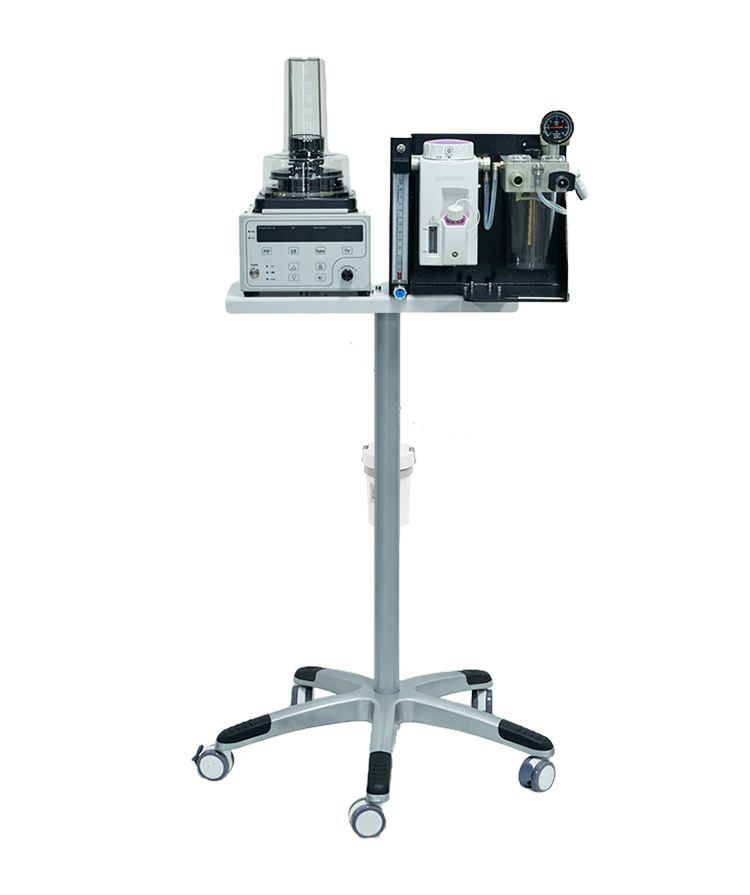 The main features of modern animal anesthesia machines
  Understanding Inhalational Anesthesia Techniqu
  Understanding the Spontaneous Breathing Mode of Anesthesia Machines
  Classification of Modern Pet Anesthetics
  Anesthesia Workstations and Functional Anatomy Tables
  The Current Situation and Development Trend of Medical Ventilators
  Common Respiratory Modes in Anesthesia and Their Characteristics
  Tipos y selección de máquinas de anestesia para animales pequeños
  El "Principio 333" para la anestesia en animales pequeños
 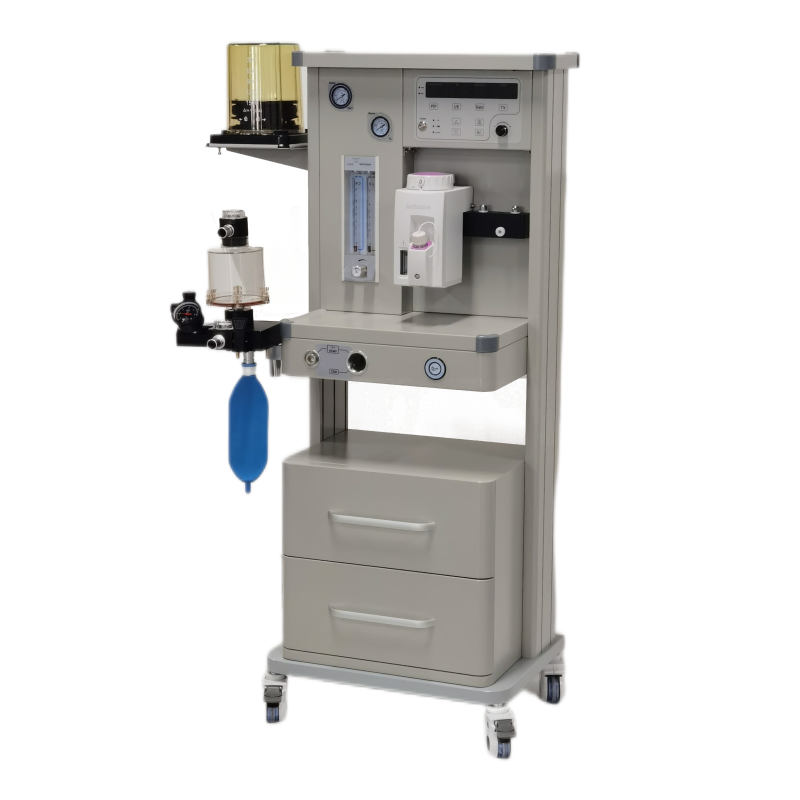 Causas y Manejo de Anomalías Respiratorias Durante la Anestesia Animal
  La 92ª CMEF ha concluido, con DolphinMed logrando un éxito significativo.
  Función de los ventiladores
 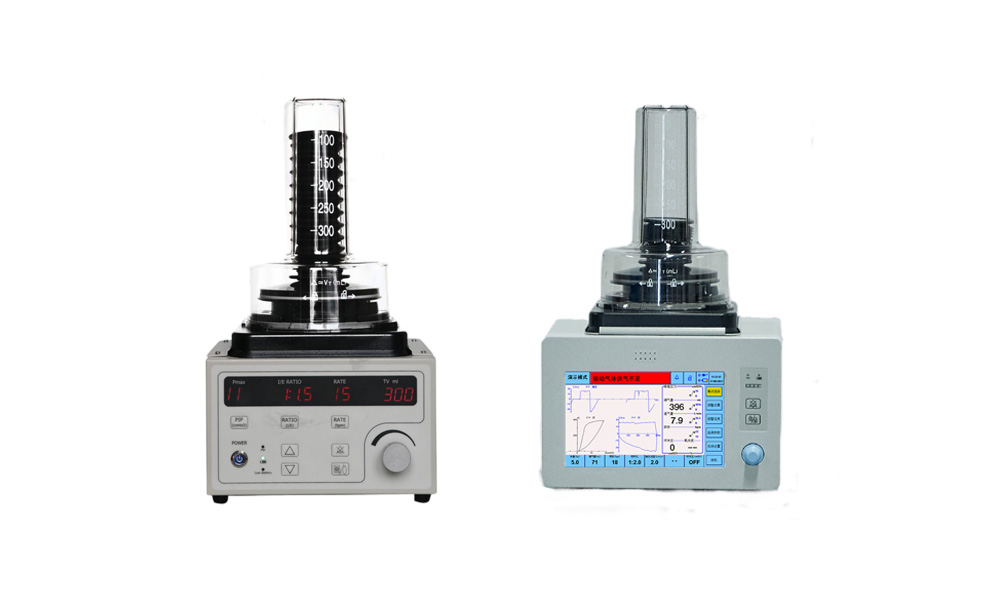 Función y estructura de la máquina de anestesia
  La diferencia entre una máquina de anestesia y una máquina de succión
 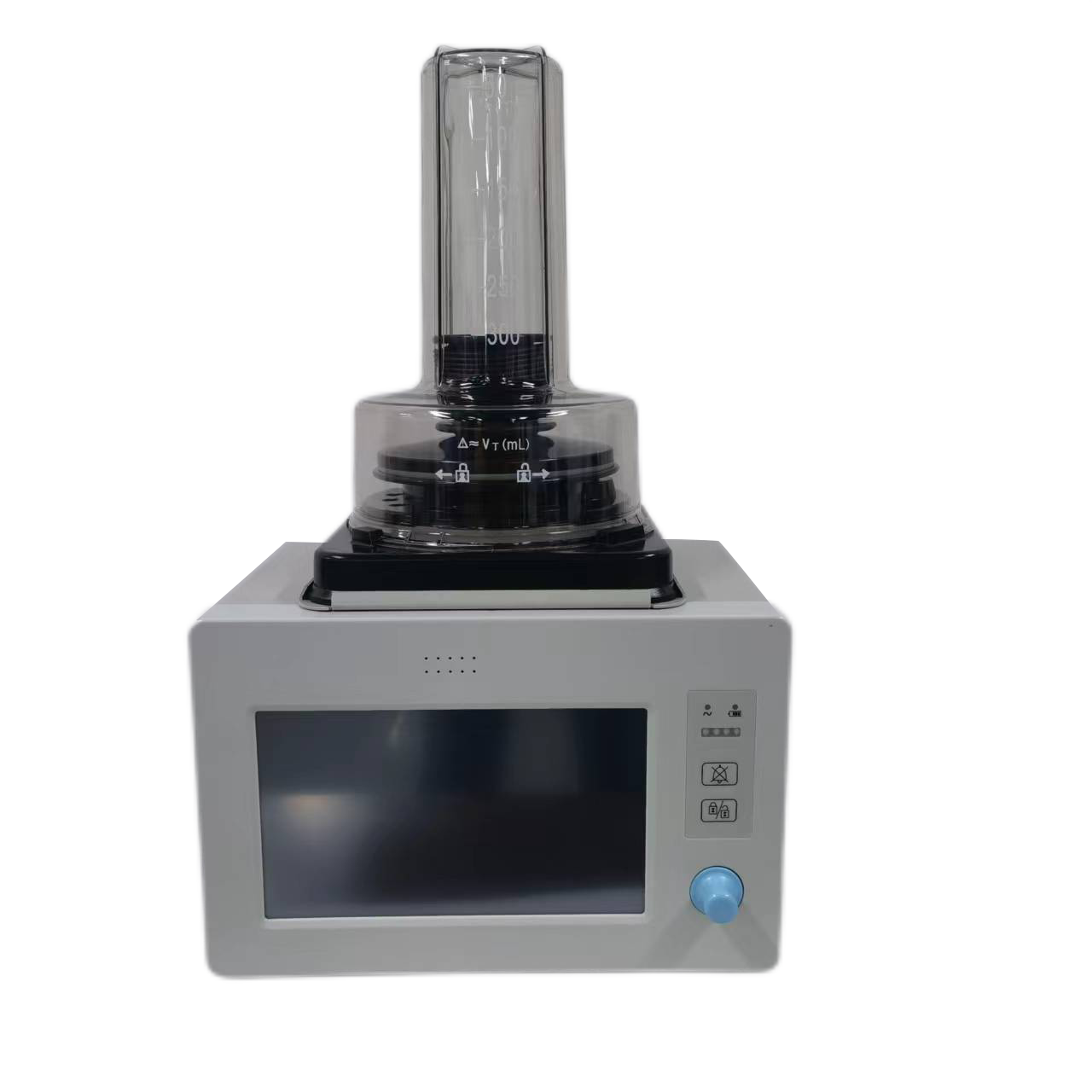 Dolphinmed ha hecho un gran avance en el campo de la respiración veterinaria
 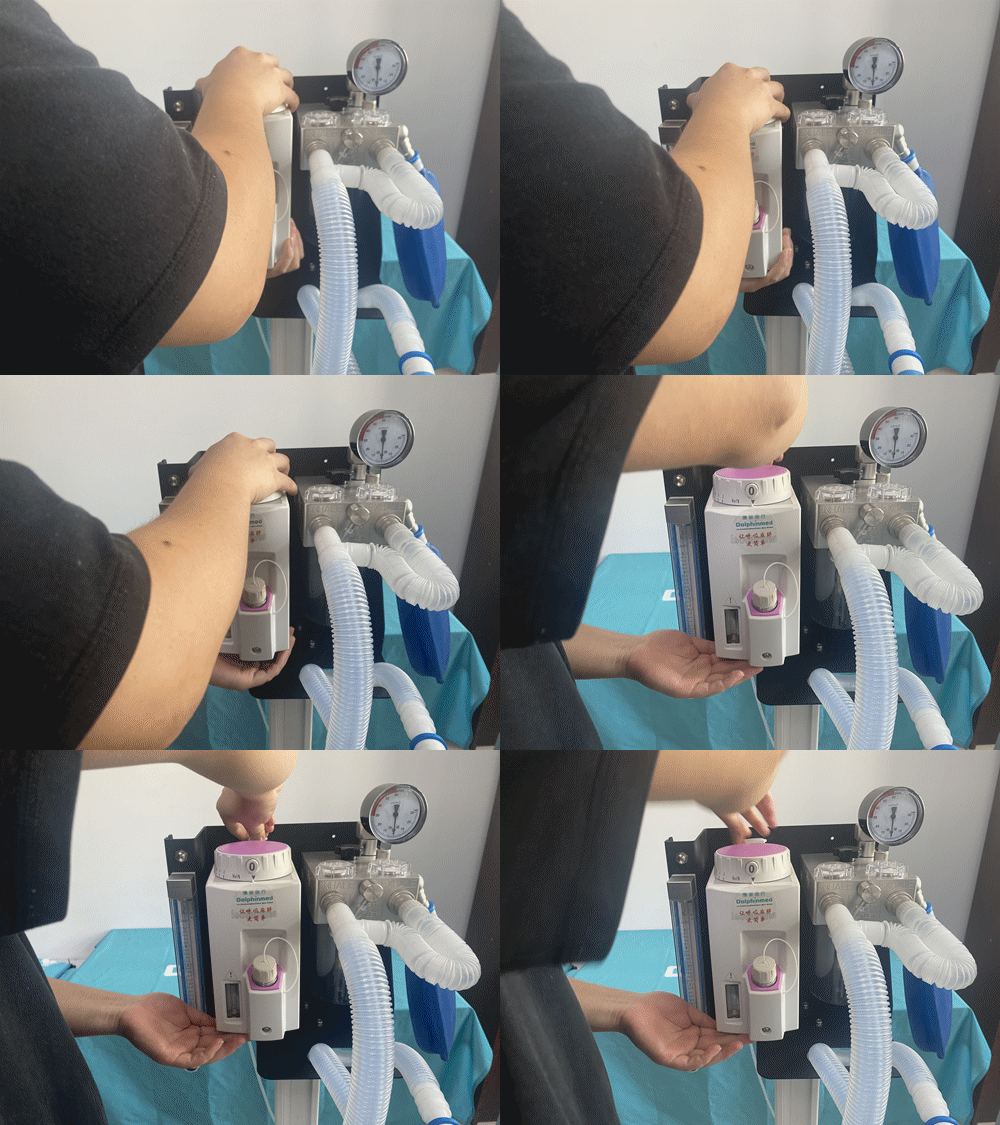 Introducción del vaporizador de anestesia
 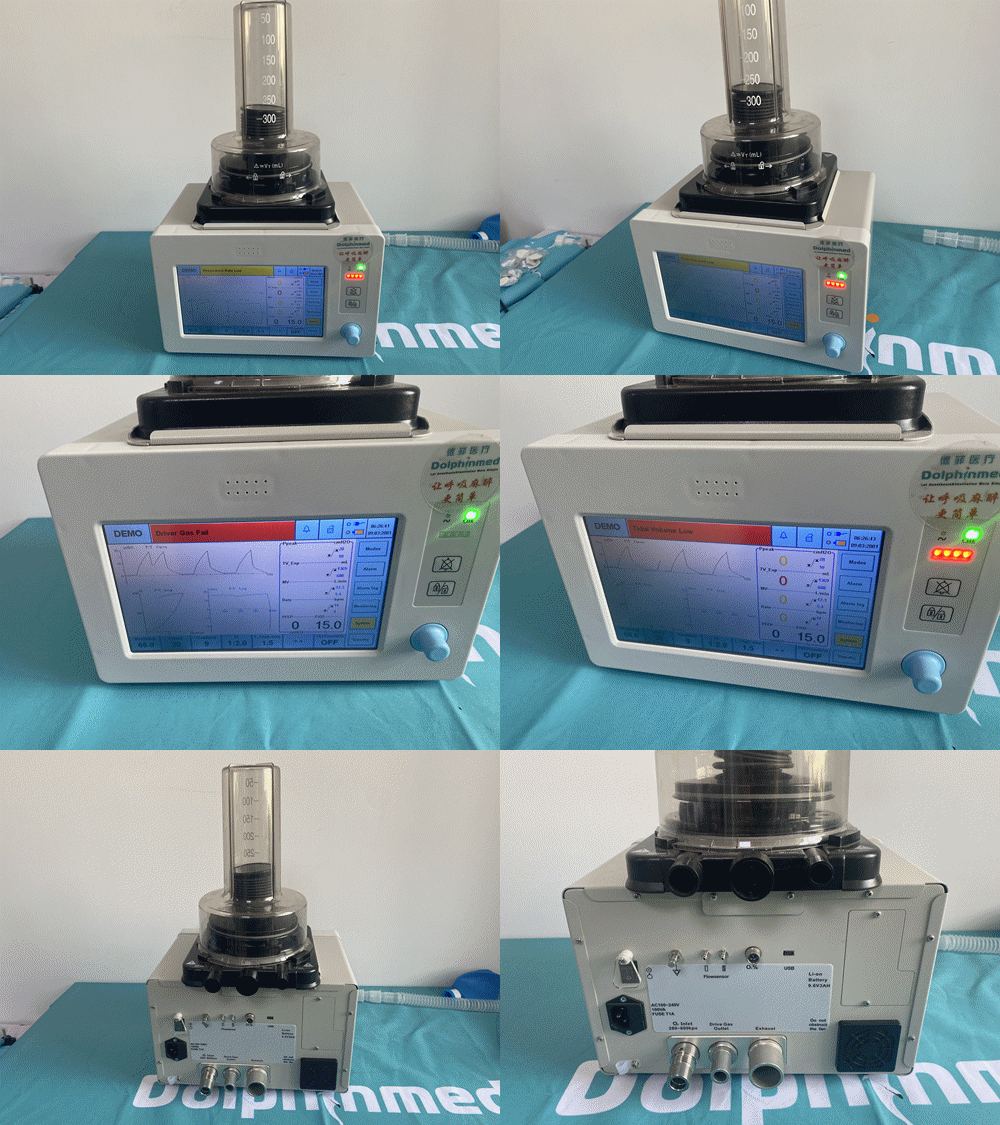 Parte del ventilador de anestesia veterinaria